
OpenAI Daybreak Is Here
Cyber AI Is Becoming An Arms Race

Cybersecurity Used To Be A Human Race
A vulnerability was found.
A researcher tested it.
A team verified it.
A patch was written.
Attackers tried to move first.
Defenders tried to close the gap.
That race has always existed.
But it mostly moved at human speed.
People searched.
People reviewed.
People wrote exploits.
People patched systems.
Now that rhythm is changing.
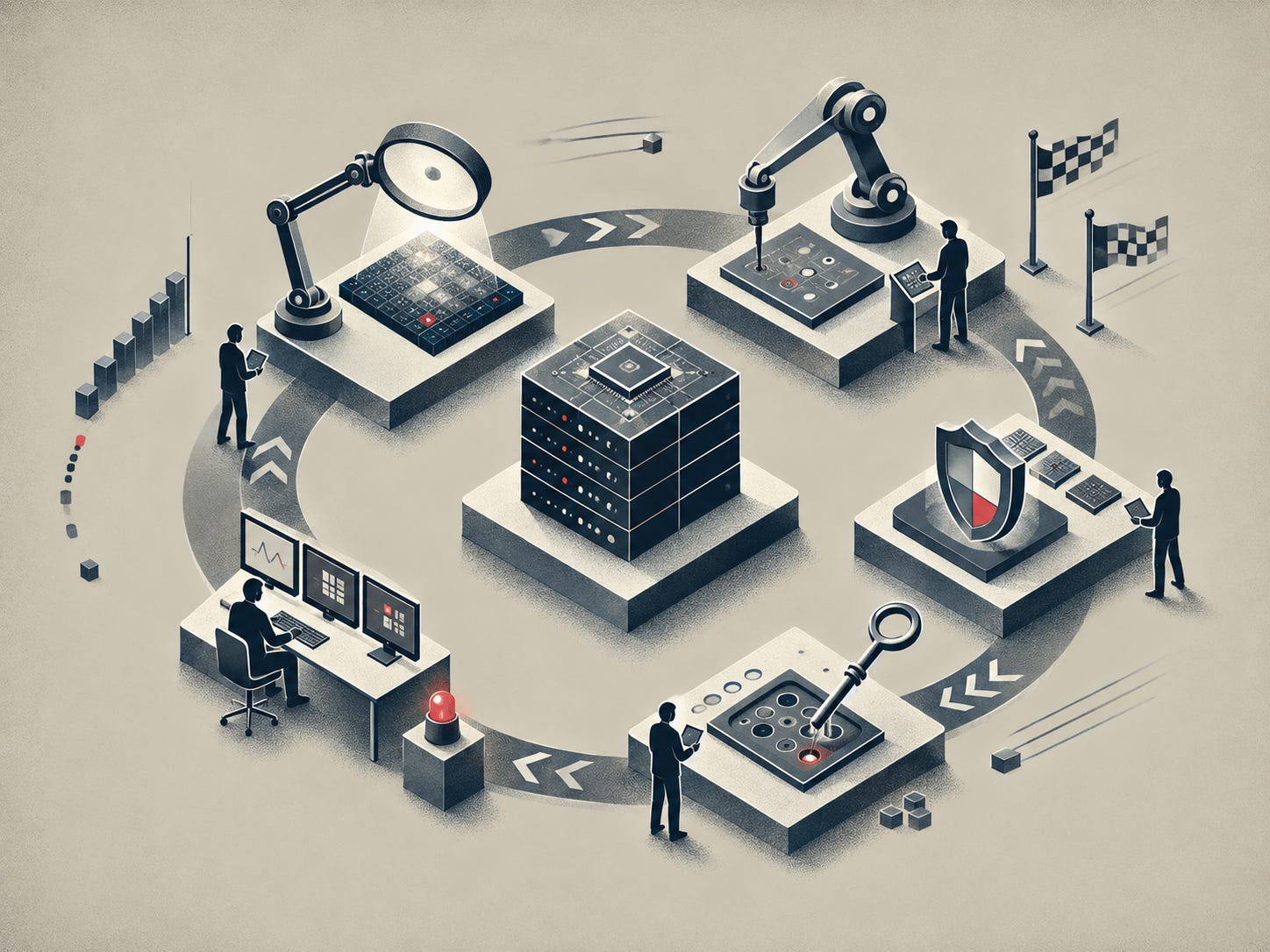
The New Race Is Between AI Systems
OpenAI has introduced Daybreak, a cybersecurity platform designed to automate vulnerability detection, patch validation, threat modeling, and secure software development for enterprises and governments (CSO Online, 2026).
That puts it directly into the same arena as Anthropic’s Project Glasswing and Claude Mythos Preview, which Anthropic says has already found thousands of high-severity software vulnerabilities across major systems (Anthropic, 2026).
This is no longer just a model race.
It is a cyber race.
Who can find the flaw first.
Who can validate it first.
Who can patch it first.
Who can deploy the defensive system before attackers get the same kind of capability.
OpenAI Is Building A Defense Platform
Daybreak is not framed as a chatbot.
It is framed as a cyber-defense system.
OpenAI says the goal is to help defenders reason across codebases, identify subtle vulnerabilities, validate fixes, analyze unfamiliar systems, and move from discovery to remediation faster (OpenAI, 2026).
That matters.
Because the goal is not just to answer cybersecurity questions.
It is to enter the software development loop.
Threat modeling.
Code review.
Patch validation.
Dependency analysis.
Remediation guidance.
This is AI moving into the workflow of defense itself.
Anthropic Is Treating Mythos Like A Restricted Weapon
Anthropic’s approach is different.
Project Glasswing gives a small group of major organizations access to Claude Mythos Preview for defensive security work.
That group includes AWS, Apple, Broadcom, Cisco, CrowdStrike, Google, JPMorganChase, the Linux Foundation, Microsoft, NVIDIA, and Palo Alto Networks (Anthropic, 2026).
The reason access is limited is the same reason the model is valuable.
Anthropic says Mythos has reached a level of coding capability where it can surpass all but the most skilled humans at finding and exploiting software vulnerabilities (Anthropic, 2026).
That is a strange threshold.
A model becomes useful enough to defend with.
And dangerous enough not to release broadly.
The Firefox Numbers Show Why This Matters
Mozilla’s Firefox team used Mythos in a controlled security process and reported a dramatic jump in bug-fixing volume.
In April 2026, Firefox shipped 423 bug fixes, compared with 31 in the same month a year earlier (TechCrunch, 2026).
Mozilla also said Mythos helped uncover high-severity bugs, including issues that had been dormant for more than a decade (TechCrunch, 2026).
That is not a small improvement.
That is a change in tempo.
The tool did not replace the security team.
But it changed what the team could find.
And how quickly they could move.
This Is What Makes It An Arms Race
The same capability helps both sides.
A model that can find vulnerabilities can help patch them.
But it can also help exploit them.
A model that can reason across a codebase can help secure software.
But it can also identify weak points before defenders know they exist.
OpenAI says Daybreak pairs expanded defensive capability with trust, verification, proportional safeguards, and accountability because the same capabilities can be misused (OpenAI, 2026).
That is the dual-use problem.
Defense and offense are built from the same underlying skill.
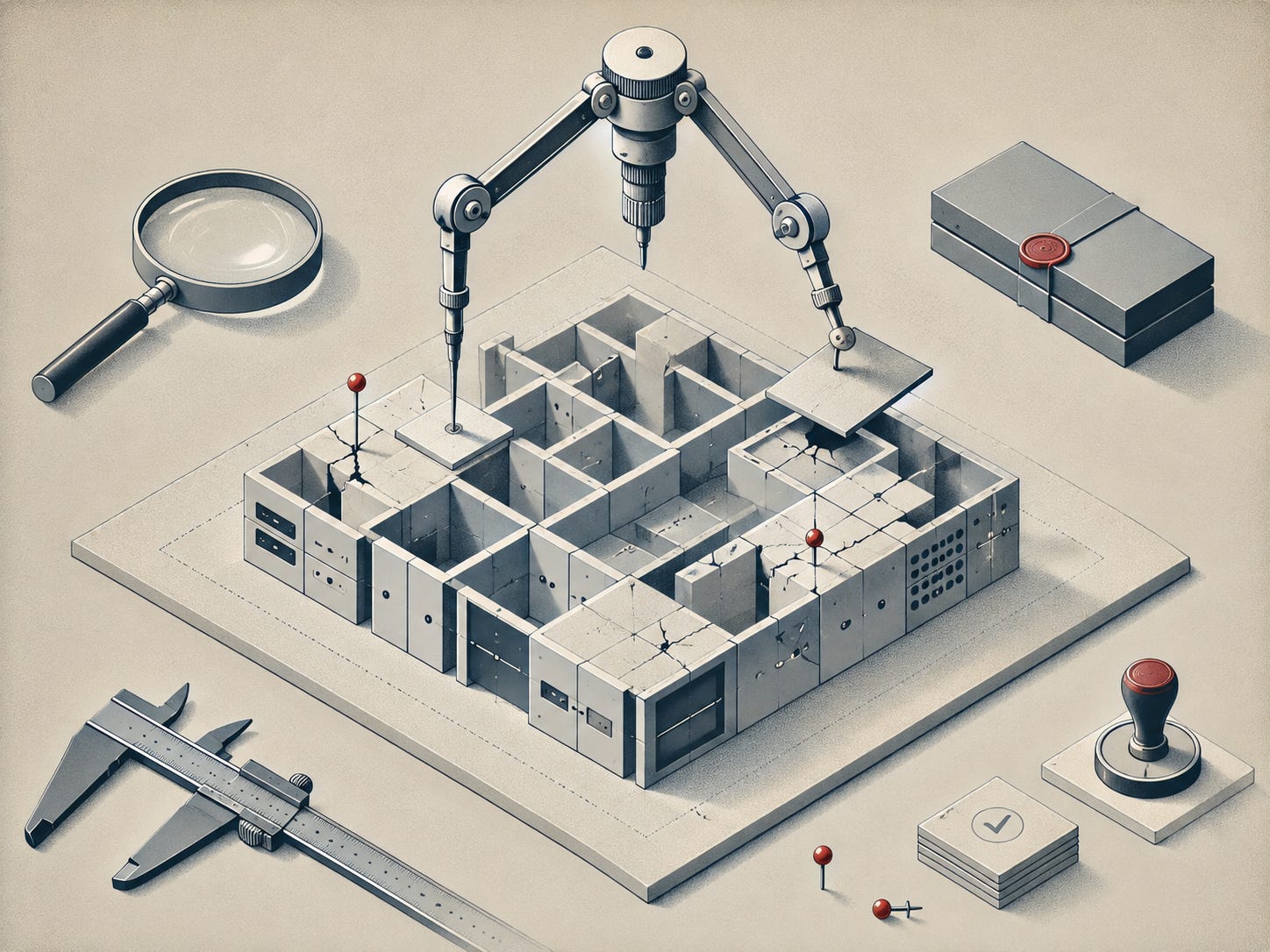
The Race Is Not Just Who Has The Strongest Model
It is who gets access.
Who gets vetted.
Who gets trusted.
Who gets the model early enough to patch before attackers adapt.
OpenAI is rolling Daybreak through trusted partners and different access tiers, including GPT-5.5 with Trusted Access for Cyber and GPT-5.5-Cyber for specialized authorized workflows (CSO Online, 2026).
Anthropic is keeping Mythos restricted to selected organizations under Project Glasswing (Anthropic, 2026).
So cyber AI is not spreading like normal software.
It is spreading through controlled access.
Defenders get capability first.
Or at least that is the goal.
The Window May Not Stay Open
Anthropic warned that given the rate of AI progress, it may not be long before similar vulnerability-finding capabilities spread beyond actors committed to using them safely (Anthropic, 2026).
That is the pressure underneath the whole story.
The advantage may be temporary.
The defensive lead may not last.
If more actors get access to similar capabilities, the cyber landscape changes again.
Not because vulnerabilities are new.
Because the speed of finding them changes.
Cybersecurity Becomes Continuous
This is why Daybreak is focused on continuous security.
Not occasional audits.
Not one-time reviews.
Not quarterly scans.
Continuous defense.
Software changes constantly.
Dependencies update.
New code enters the system.
Old vulnerabilities sit unnoticed.
AI makes it possible to keep checking more often.
But it also makes that necessary.
Because if attackers can move continuously…
Defenders have to as well.
The Human Role Does Not Disappear
Mozilla’s experience makes this clear.
Mythos helped find bugs.
But humans still built the harness.
Reviewed the results.
Ran tests.
Filtered noise.
Integrated patches.
Mozilla emphasized that the value came from both more capable models and better human techniques for harnessing them (TechCrunch, 2026).
That is important.
Cyber AI is not magic by itself.
It needs systems around it.
Sandboxes.
Review processes.
Security teams.
Validation.
Without that, the model can produce noise.
Or worse, confidence without reliability.
The Strange Part Is That Both Sides May Improve
This is what makes arms races unstable.
Defenders get stronger.
Attackers get stronger.
Each side forces the other to speed up.
AI may help security teams patch faster.
But it may also help attackers find more creative paths.
That means progress does not automatically make the system safer.
It may make the race faster.
And faster races are harder to govern.
The Next Cyber Advantage May Be Timing
Who sees the vulnerability first?
Who validates it first?
Who patches it first?
Who turns it into an exploit first?
Who deploys protection before the other side understands the path?
This is where cyber AI changes the game.
It compresses discovery.
It compresses analysis.
It compresses response.
The question is no longer only whether a system is vulnerable.
It is whether defenders can move before machine-speed attackers do.

Cyber AI is becoming the new arms race.
OpenAI has Daybreak.
Anthropic has Mythos.
Governments and major companies are being pulled into trusted-access programs.
Security teams are seeing bugs that sat unnoticed for years.
And the same capabilities that help defenders can also help attackers.
That is what makes this moment different.
The old race was human against human.
The new race may be AI-assisted defender against AI-assisted attacker.
And in that world, the winner may not be the side with perfect security.
It may be the side that moves first.
References
CSO Online (2026). OpenAI introduces Daybreak cyber platform, takes on Anthropic Mythos.
OpenAI (2026). Daybreak: Frontier AI for cyber defenders.
Anthropic (2026). Project Glasswing: Securing critical software for the AI era.
TechCrunch (2026). How Anthropic’s Mythos has rewritten Firefox’s approach to cybersecurity.
Yep, I see your point. It feels very chaotic without the option to slow down. Deep breath in, deep breath out. I'm glad they are making good choices. I'm pretty happy so far! I love how your writing is often like AI poetry to me. It's like I am reading poetry but then also getting trained a bit too. Nice!
https://www.linkedin.com/posts/linasbeliunas_wild-macos-on-apple-silicon-is-supposed-share-7460769010108870656-bpuF?utm_source=social_share_send&utm_medium=ios_app&rcm=ACoAAANZ1O0B8JkRxklCN59R9jW_JdJxTaBQOWs&utm_campaign=copy_link