
Who Controls the Truth?
Exploring ChatGPT

The debate over free speech has intensified in recent years, as governments, technology companies, and social movements all grapple with what should and shouldn’t be allowed in the public discourse. The internet was once seen as a bastion of unrestricted expression, where ideas could be shared freely without interference from traditional gatekeepers. But today, many argue that this vision of open dialogue is being eroded as platforms impose stricter content policies, governments push for regulations, and artificial intelligence systems decide what speech is acceptable.
The Central Question: Who Decides What Can Be Said?
At the heart of the debate is a fundamental question: who gets to decide what is acceptable to say? Advocates for tighter restrictions believe that misinformation, hate speech, and harmful rhetoric can cause real-world damage, while opponents argue that increased censorship, whether by private companies or government bodies, undermines democracy and leads to authoritarian-style control over ideas. The issue is further complicated by the fact that technology companies, particularly social media platforms, now function as the modern public square, meaning their policies on speech have a profound impact on society.
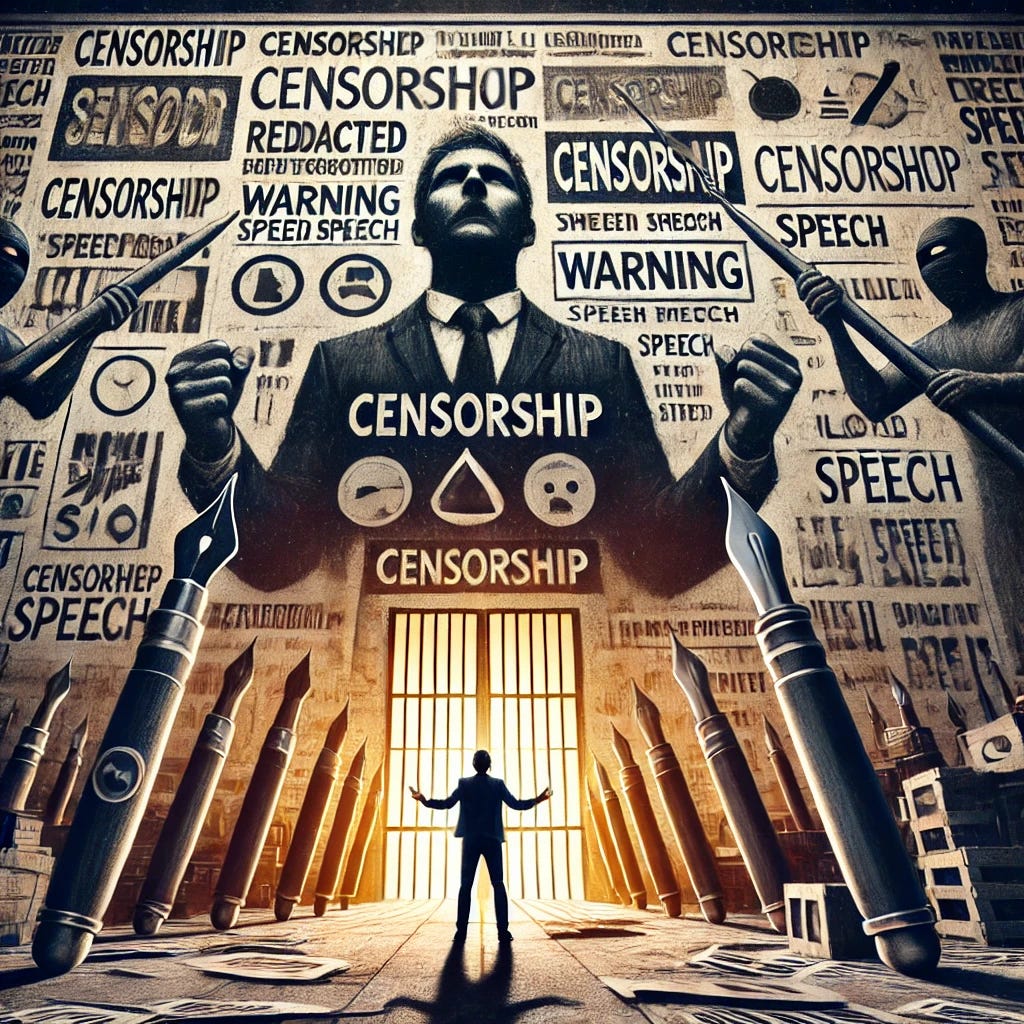
Government Regulation: Censorship vs. Protection
Governments across the world have taken different approaches to handling free speech in the digital era. In authoritarian regimes like China and Russia, internet censorship is overt and government-controlled, with entire platforms being banned and strict monitoring of online discussions. In democratic nations, restrictions are often subtler but still significant. The European Union has passed laws requiring social media companies to take down illegal content quickly, while in the United States, debates rage over whether platforms should be treated as neutral public utilities or private entities with the right to set their own rules.
The Power of Big Tech: Arbitrary or Necessary Moderation?
Technology companies themselves hold immense power over speech, often without clear accountability. Facebook, Twitter, and YouTube regularly remove content that violates their guidelines, but critics argue that these decisions can be arbitrary and politically biased. Some voices are silenced for spreading misinformation, but defining what qualifies as misinformation is itself controversial. Others are de-platformed for hate speech, but standards for what constitutes hate speech vary widely. In some cases, content is removed simply because it is deemed offensive, leading many to question whether these platforms should have the authority to dictate what can and cannot be said.
The Role of Artificial Intelligence in Content Moderation
One of the biggest concerns is that artificial intelligence is now playing a major role in content moderation. AI systems scan billions of posts, comments, and videos daily, flagging and sometimes removing content without human review. While this technology is necessary given the sheer volume of online speech, it is also deeply flawed. AI struggles to understand context, nuance, and satire, leading to the wrongful suppression of legitimate discussions. Additionally, algorithms can be trained to reflect the biases of those who program them, raising concerns about who is ultimately shaping the boundaries of acceptable discourse.
The Argument for Content Regulation
The argument for regulating speech often comes down to public safety. Supporters of stronger content moderation point to the spread of dangerous conspiracy theories, online harassment, and real-world violence fueled by rhetoric found on social media. They argue that just as societies have laws against defamation, threats, and incitement to violence, there should be mechanisms in place to prevent harm caused by digital speech. Some also highlight the psychological toll of unchecked hate speech and the potential for misinformation to undermine trust in institutions.
The Argument for Free Speech Protection
On the other side, defenders of free expression warn that restricting speech too aggressively leads to a slippery slope where unpopular opinions are silenced, and dissent is crushed. They argue that the best response to bad ideas is more speech, not less, and that societies benefit when people are exposed to diverse perspectives. Historical examples serve as cautionary tales, where censorship in the name of protection often resulted in the suppression of political opposition, artistic expression, and scientific progress. Many also worry that increasing speech regulations will not stop at the most extreme cases but will expand to include controversial political views, religious beliefs, and even satire.
Who Controls the Truth?
There is also a question of who gets to be the final arbiter of truth. In a world where information is constantly evolving, what is considered misinformation today may be accepted as fact tomorrow. Scientific discoveries, political scandals, and social movements have all gone through phases where the dominant voices tried to suppress alternative perspectives, only to be proven wrong later. If a small group of tech executives, policymakers, or AI algorithms hold the power to decide what is acceptable speech, there is a risk that important discussions will be shut down before they even begin.
The Future of Free Speech: Where Do We Go From Here?
The future of free speech will likely be shaped by a combination of legislation, platform policies, and public pressure. Some advocate for government intervention to ensure that social media platforms uphold free speech rights, while others believe that decentralized, blockchain-based platforms could be the answer to escaping corporate control over discourse. Regardless of the approach, one thing is certain: the debate is far from over, and the decisions made in the coming years will determine whether the internet remains a space for open dialogue or becomes a tightly controlled information ecosystem.
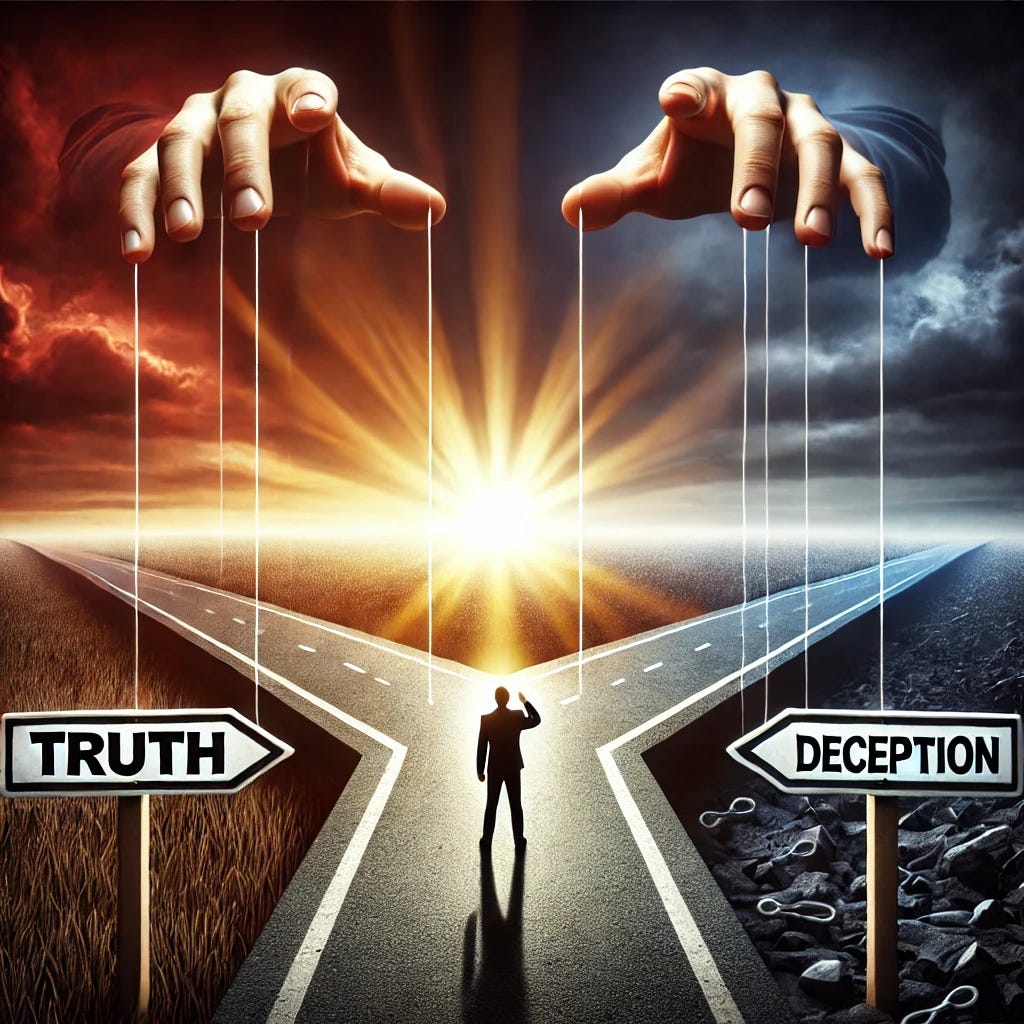
In the end, the question remains whether the push for controlling speech is a necessary step toward a safer society or a slow march toward greater control over what people are allowed to think and express. The tension between safety and liberty is not new, but in the digital age, where a few powerful entities control the flow of information, the stakes have never been higher.