
The Tool Got Faster
The Beginning Got Heavier


The strange thing about ChatGPT is that it did not simply make work easier.
It made a certain kind of work almost disappear.
The typing.
The business plan.
The email.
The code.
All of that used to be where the effort lived. You sat down, pushed through the task, and eventually something existed. The work was slow, and furthest from frictionless.
Now the path is different.
The machine can produce the same thing almost instantly.
But before it does, the human still has to decide what the “thing” is supposed to be.
ChatGPT removed friction from the middle of the process.
But for many people, it moved that friction to the very beginning.

Why This Piece Matters
That is why I’m excited to share this collab piece from Hodman Murad.
Hodman is the founder of Asaura AI, a productivity tool built for ADHD, neurodivergent brains, and decision-fatigued professionals. She also writes at Between Thinking and Doing, where she explores the behavioral science behind AI and the future of work, and at The Data Letter, where she covers data science, data engineering, and machine learning.
Asaura AI → asauraai.com
Between Thinking and Doing → betweenthinkingdoing.substack.com
The Data Letter → thedataletter.com
Her article gets at something I think a lot of people feel but do not always have the language for.
AI has made the output easier.
But it has not always made the starting point easier.
In some cases, it has made the starting point feel even heavier.
Hodman’s piece is about that gap between what AI can technically do and what a human brain can actually initiate when it is tired, overloaded, distracted, or stuck. It is about why the blank prompt can feel just as difficult as the blank page. And it is about why the next real step in AI productivity may not be making the machine faster.
It may be helping the person begin.
AI Relocated the Hard Part of Thinking
Hodman Murad
How ChatGPT Shifted Cognitive Friction from Execution to Initiation
ChatGPT can generate a business plan in 90 seconds. Yet millions of people open it every day, stare at the prompt field, and close it without typing a word. The tool works. The user stalls before the tool even fires. They can’t figure out what to ask, how to frame it, or where to begin.
AI didn’t remove the hard part of work. It relocated it.
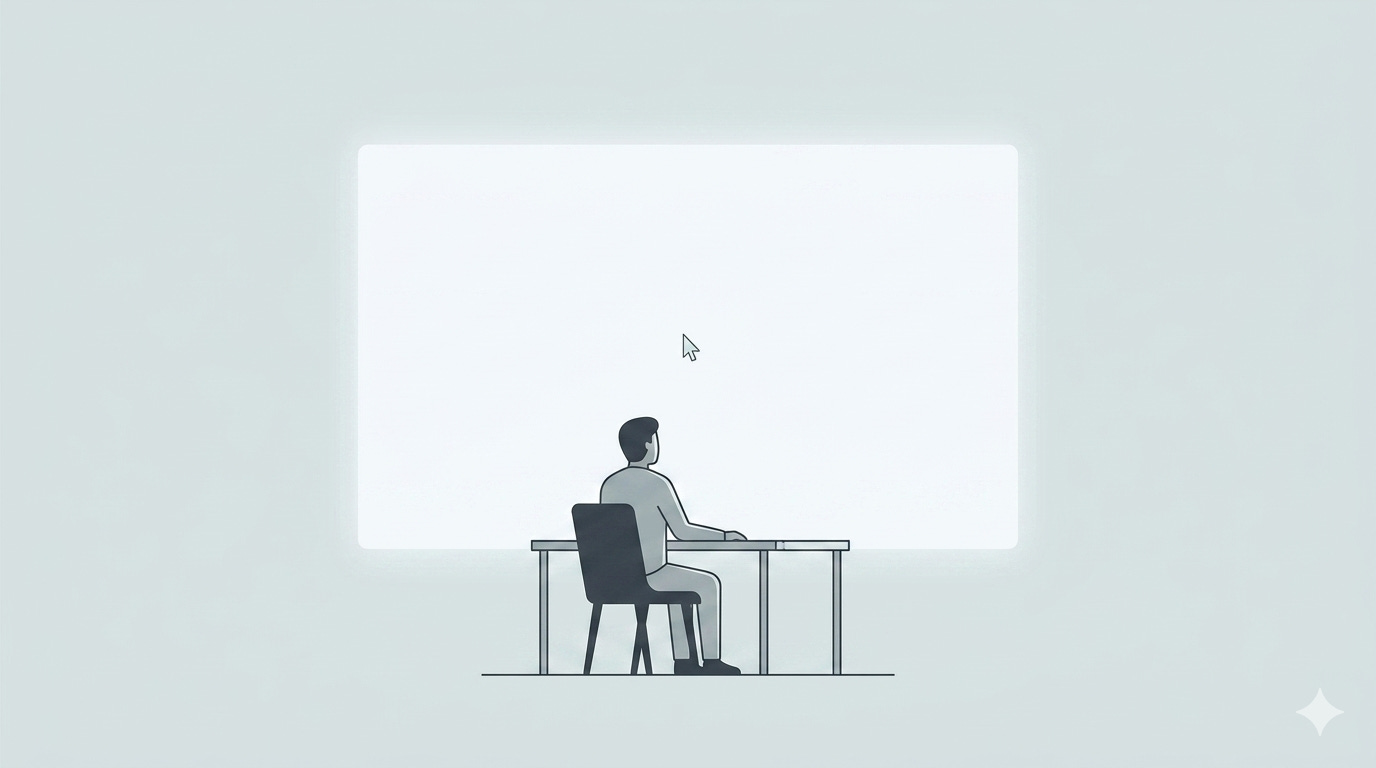
Before ChatGPT, friction lived in execution. Writing a report meant hours of research, drafting, and formatting. Building a website meant writing code line by line. You could feel the hard part in your hands. AI compressed all of that. A task that took two hours now takes ten minutes of generation. The time shifted upstream.
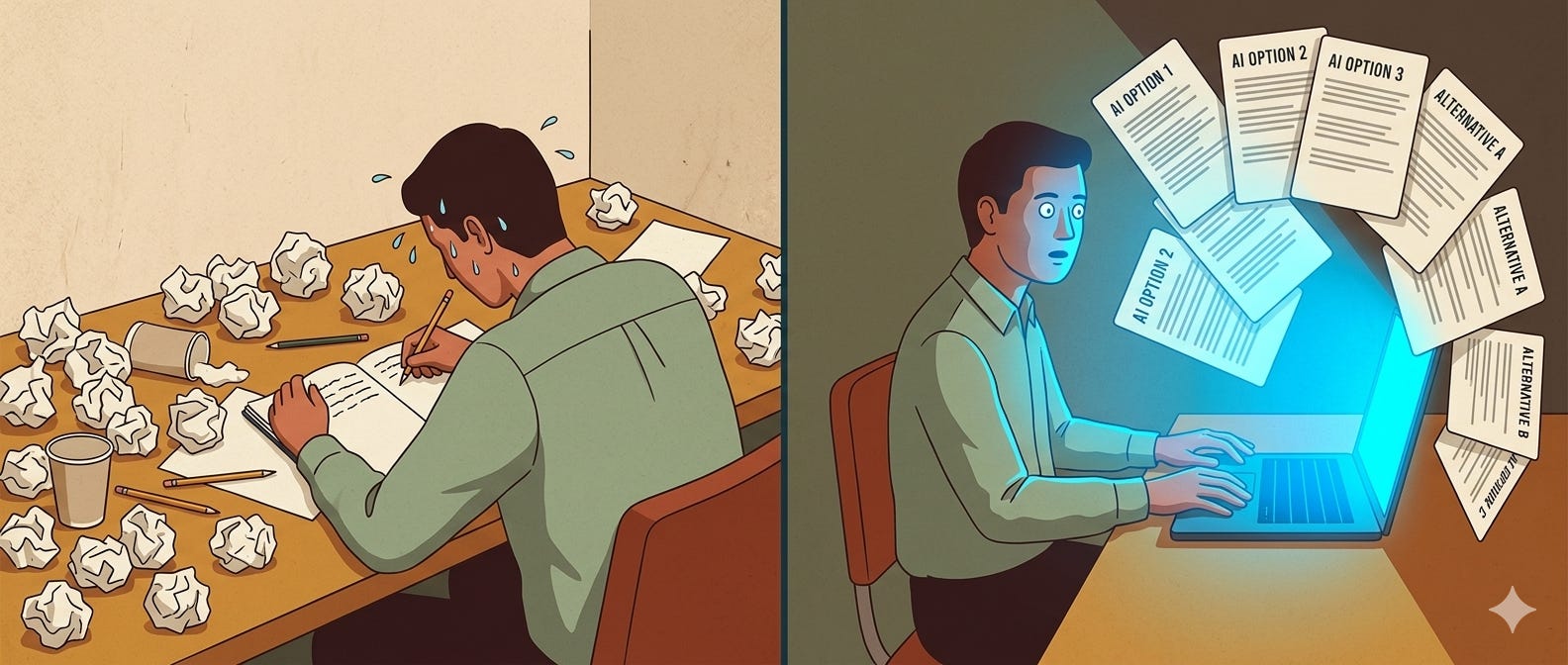
Writing an email used to take 20 minutes, including manual drafting. Now ChatGPT generates five versions in 30 seconds. You spend the next 15 minutes reading all five, comparing tone, swapping paragraphs between drafts, and wondering if any of them sound like you. The mechanical effort dropped. The cognitive effort grew. Work moved from doing to deciding, from execution to initiation.
This creates a strange new pattern in the workday. You have ChatGPT open in a tab. You know it could save you an hour. But you spend 20 minutes cycling between prompts you’ve half-written and deleted. You close the tab and do the work manually, feeling defeated. The tool that was supposed to help became another source of friction, and because everyone around you talks about how productive AI makes them, you assume the problem is you.
For a large portion of the workforce, initiation was always the hardest part.
Symptomatic ADHD affects roughly 6.76 percent of adults worldwide. Executive dysfunction, one of its core features, means the brain’s planning and initiation systems go offline under cognitive load. More options, more open-ended choices, and more blank fields push those systems toward failure faster.
Decision fatigue compounds the problem. A senior manager who’s made 300 micro-decisions by 3 pm doesn’t have the bandwidth to craft a precise prompt. A freelancer juggling five clients doesn’t have the cognitive budget to evaluate four AI-generated drafts and pick one. A parent with ADHD, running on four hours of sleep, sits down at 10 pm to finish a presentation. The AI is ready. Their brain checked out two hours ago.
These people need a tool that structures the first step for them.
Every major AI assistant carries the same built-in assumption. You arrive with intent, clarity, and the ability to evaluate outputs. For millions of people living with ADHD, chronic fatigue, or decision overload, that assumption collapses before the first keystroke.
This group represents a growing share of the workforce. A 2020 global meta-analysis estimates 366 million adults live with symptomatic ADHD alone. Add chronic decision fatigue, burnout, and cognitive overload, and the number climbs far higher. Nobody built the tools with them in mind.
I built Asaura AI to solve this.
Asaura is a productivity tool designed for people with ADHD and neurodivergent brains, as well as anyone experiencing decision fatigue or cognitive overload at work. Instead of dropping users into a blank prompt field, it surfaces the next smallest action based on where they left off.
When someone types ‘write resume’ into a typical AI tool, they get a blank page or a generic template. In Asaura, that vague task breaks down into concrete micro-steps before the user has to think. ‘Open a blank document.’ ‘Type your name and contact info at the top.’ ‘Write a one-line professional summary underneath.’ ‘List your jobs starting with the latest one, working backward.’ Each step is small enough to start without overthinking. Eight steps later, the resume is done.
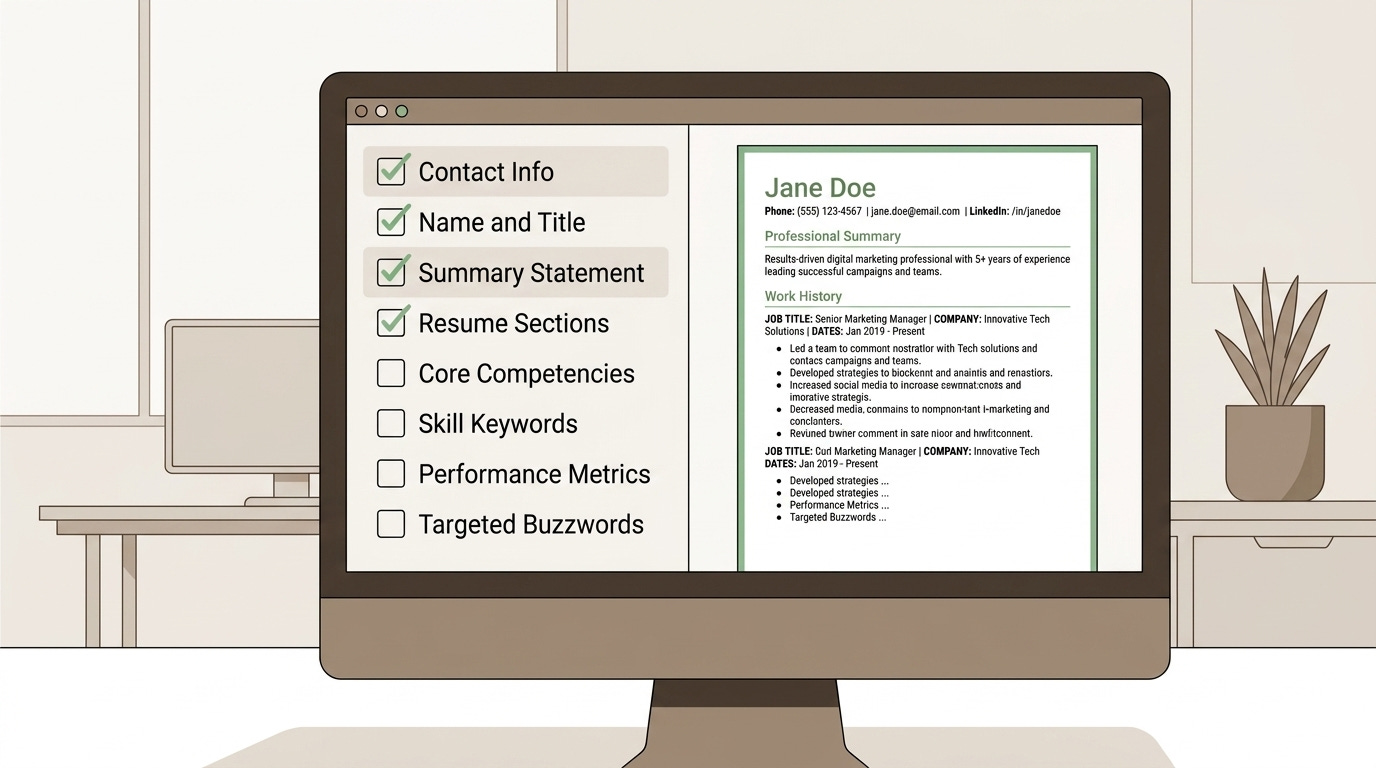
The system adapts to cognitive energy, serving lower-demand tasks during low-energy states and deeper work during high-focus windows. This is initiation-first design. Instead of waiting for you to start and then accelerating, the tool structures the first move so you don’t have to.
Once someone takes a single concrete step, momentum carries them forward. The person who couldn’t start a resume for three hours finishes it in 40 minutes after one micro-step breaks the freeze. The barrier was never ability or motivation. It was the tool they were using.
AI gets more powerful every quarter. Bigger context windows. Faster responses. More tokens per second. Nearly all of that effort targets throughput, making the fast parts faster.
Almost nobody is optimizing for initiation.
Look at how the industry talks about progress. Speed benchmarks. Token throughput. Reasoning performance on standardized tests. Every metric assumes a user who has already typed a prompt. Nobody measures how many people opened the tool, stared at the field, and closed it again. Nobody tracks the sessions that never started. This is where the largest group of potential users lives.
Power without accessibility is a library with no front door. The books keep multiplying, and the number of people standing outside keeps growing as decision loads increase and cognitive bandwidth shrinks across every industry.
We celebrate AI that writes code in seconds, drafts legal briefs in minutes, and builds entire apps from a conversation. All of that is remarkable. All of it assumes you’ve already crossed the hardest threshold: beginning.
Every AI builder should ask one question about their product. Does your tool assume a user who’s already moving? If the answer is yes, you’ve relocated the hard part and called it progress.
AI’s next frontier is initiation. Hardly anyone is building there.
Hodman Murad is the founder of Asaura AI, a productivity tool built for ADHD, neurodivergent brains, and decision-fatigued professionals. She writes at Between Thinking and Doing, on the behavioral science behind AI and the future of work, as well as at The Data Letter, a publication focused on data science, data engineering, and machine learning. You can visit the Asaura AI website here and sign up for the app directly here.
 | A guest post by
|
AI made the output faster and the starting line harder.