
The Silent Appeal
Why AI Doesn’t Reconsider

People still try to appeal decisions.
They write emails.
They file tickets.
They explain context.
But more often than not, nothing happens.
Not because the appeal was denied.
Because it was never really heard.
AI systems increasingly decide outcomes in ways that leave no meaningful path for reconsideration. The option to appeal still exists on paper. In practice, it has become ceremonial.
Second chances are fading quietly.
And most people only realize it after they need one.

Appeals Used to Be the Safety Valve
Appeals were not about reversing most decisions.
They were about possibility.
If something went wrong, you could explain.
If context was missing, you could add it.
If a rule misfired, a human could override it.
Legal scholars have long argued that appeal mechanisms are what give systems legitimacy, even when outcomes are harsh (Fuller 1964).
You accepted the decision because you knew there was a door.
AI Systems Don’t Reconsider
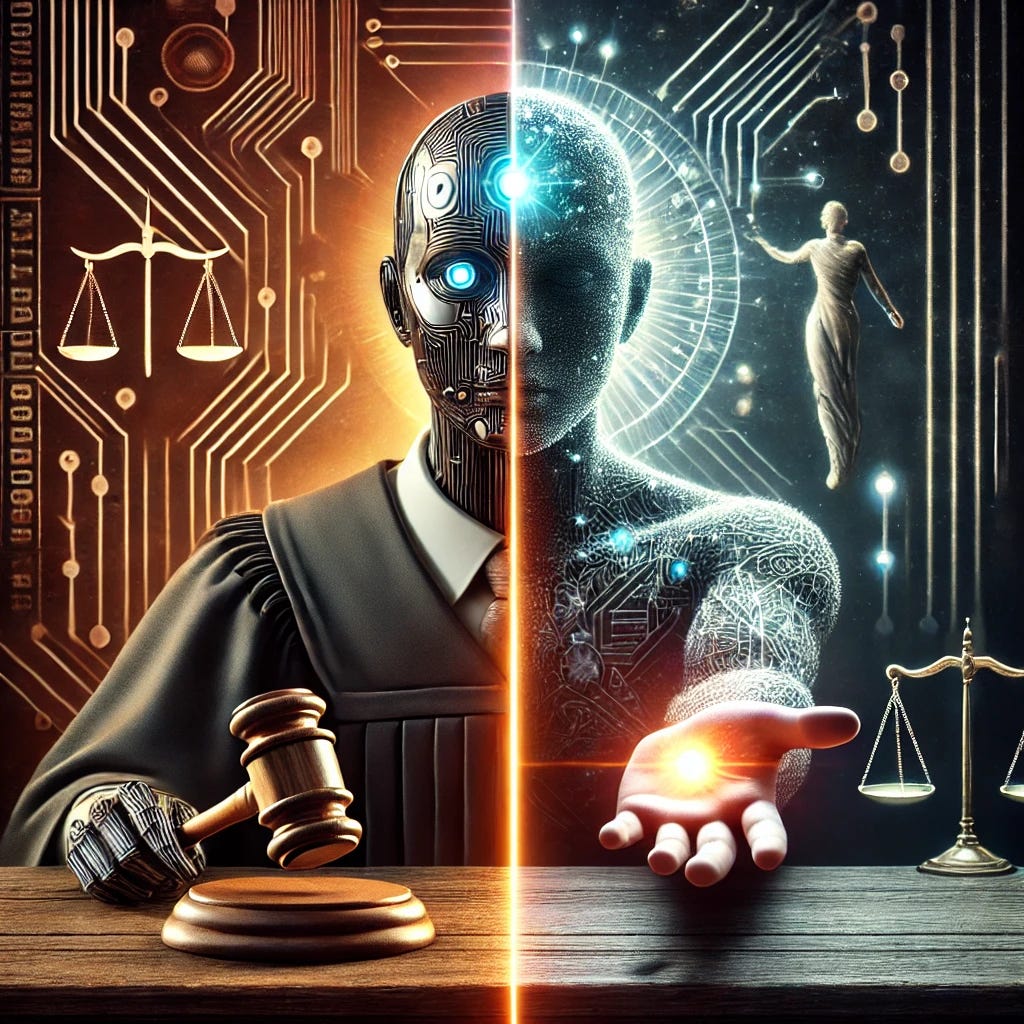
AI systems do not change their minds.
They update.
When a model classifies you, the output is the result of training data, thresholds, and statistical similarity. An appeal does not argue with a judgment. It collides with a probability.
In many automated systems, appeals are processed by the same logic that produced the original outcome, sometimes with minimal variation (Citron 2007).
Nothing is reconsidered.
The answer is recomputed.
Why Appeals Feel Like Black Holes
People describe the same experience across platforms and institutions.
You submit an appeal.
You receive a generic response.
You are told the decision stands.
No explanation changes.
No reasoning shifts.
Research on algorithmic decision systems shows that appeals often fail not because they lack merit, but because the system has no mechanism to incorporate narrative context in a meaningful way (Koulu 2023).
You are not arguing with a person.
You are asking a system to contradict itself.
Second Chances Depend on Memory and Mercy
Second chances are not logical.
They are moral.
They require discretion.
They require someone to say, this time is different.
Philosophers have noted that justice systems without discretion become brittle, even when they are consistent (Arendt 1958).
AI systems optimize consistency.
They do not optimize mercy.
Work, Finance, and Platforms Feel This First
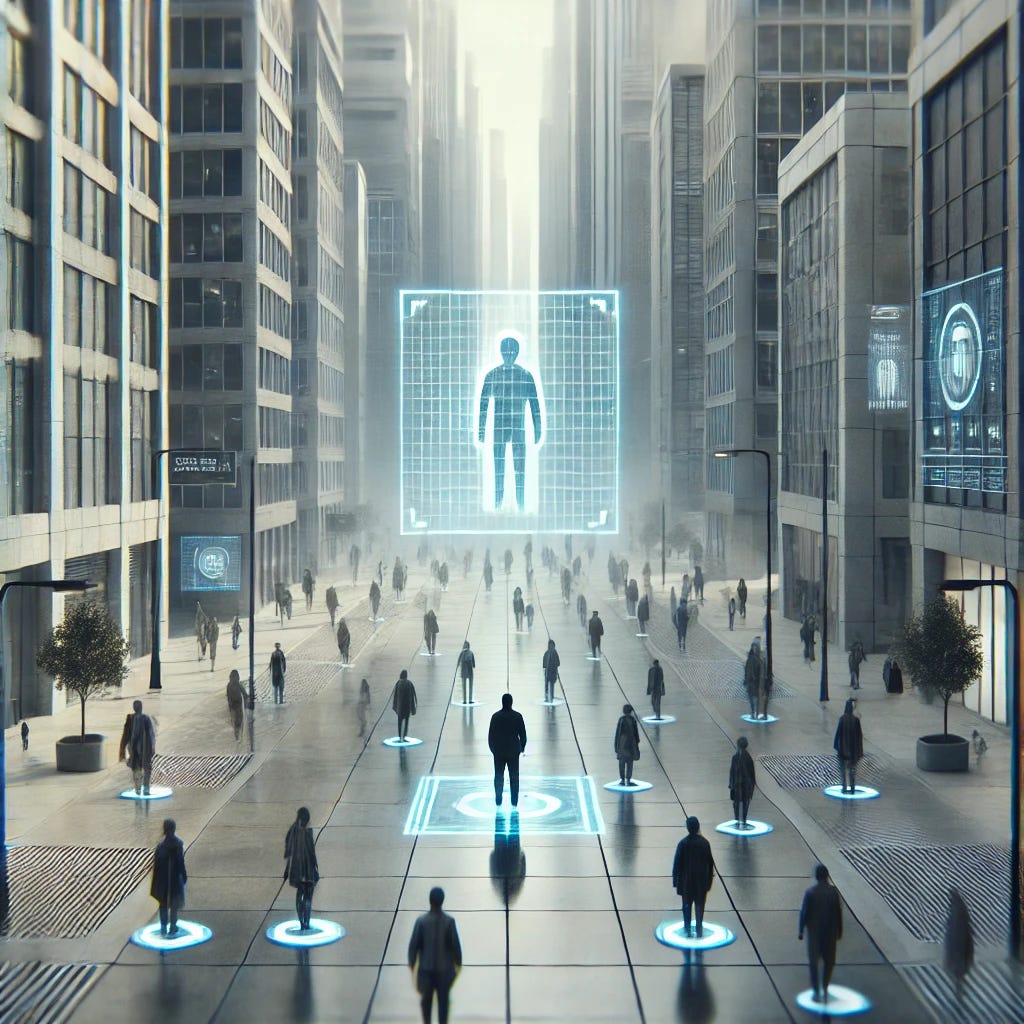
In hiring, automated screening filters out candidates permanently. An appeal does not reintroduce them into the pool.
In finance, credit and fraud systems flag accounts that never fully recover. Future evaluations inherit the mark.
On platforms, moderation decisions follow users silently across accounts and contexts. Appeals rarely reset reputation.
Researchers describe this as reputational persistence. Once flagged, always downstream affected (Pasquale 2015).
The first decision matters more than it used to.
Why This Is Happening Now
Appeals are slow.
AI is fast.
Organizations adopt automation to reduce cost, risk, and inconsistency. Appeals reintroduce all three. As a result, they are minimized, standardized, or quietly deprioritized.
Studies of public sector automation show that appeal mechanisms often degrade after AI deployment because they are seen as inefficiencies rather than protections (OECD 2023).
The system still allows appeals.
It just does not expect them to succeed.
The Psychological Shift
When people realize appeals do not work, they change behavior.
They become cautious.
They avoid experimentation.
They stop taking risks that could trigger irreversible decisions.
Psychologists link this to learned helplessness in opaque systems, where perceived lack of control reduces engagement even when effort could matter (Seligman 1975).
Second chances shape how bold people are willing to be.
A More Fragile Society
A society without second chances does not collapse.
It stiffens.
People play safe.
Institutions look stable.
Innovation slows quietly.
Mistakes become permanent records instead of learning moments.
That is not justice.
It is risk management.
AI did not abolish appeals.
It hollowed them out.
Second chances still exist in theory. In practice, the first decision now carries more weight than ever before.
The danger is not harsher outcomes.
It is irreversible ones.
When appeals stop working, people stop believing systems can change their minds.
And once that belief is gone, trust does not argue.
It withdraws.
References
Arendt, H. (1958). The Human Condition. University of Chicago Press.
Citron, D. K. (2007). Technological due process. Washington University Law Review, 85(6), 1249–1313.
Fuller, L. L. (1964). The Morality of Law. Yale University Press.
Koulu, R. (2023). Human control over automated decision making. Modern Law Review, 86(1), 1–34.
OECD. (2023). Governing Artificial Intelligence in the Public Sector. OECD Publishing.
Pasquale, F. (2015). The Black Box Society. Harvard University Press.
Seligman, M. E. P. (1975). Helplessness. Freeman.