
The Memory Market
Exploring ChatGPT

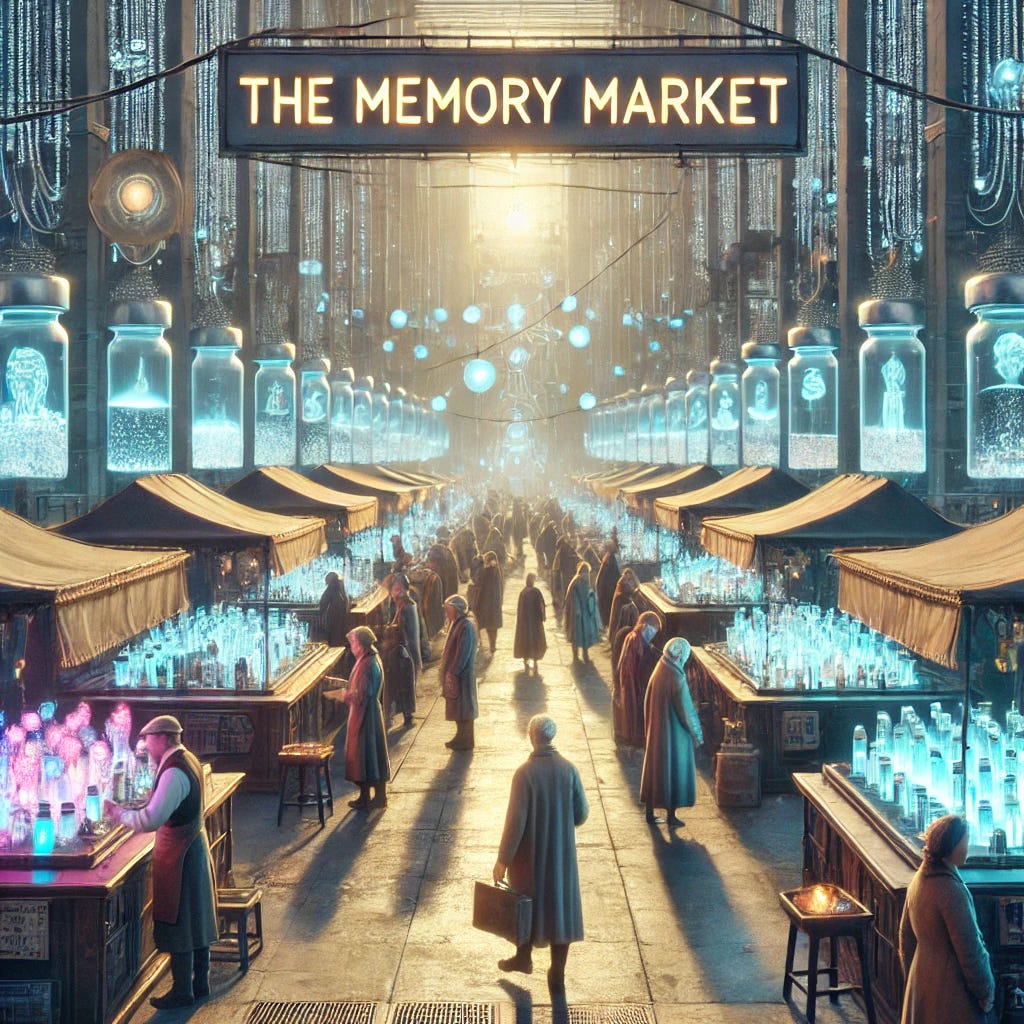
Imagine being able to download the memory of climbing Mount Everest, feeling the wind against your face and the adrenaline of reaching the summit, all without leaving your home. Or perhaps you’d rather skip years of practice and simply purchase the memory of mastering a musical instrument. These ideas may sound like science fiction, but they are rooted in real advancements in neuroscience and technology. As we begin to unravel the mechanisms of memory formation and retrieval, the concept of a "memory market"—where human experiences are bought, sold, and traded—may no longer be a matter of if, but when.
This article explores the scientific foundation for such a future, the philosophical and ethical quandaries it would raise, and the potential societal consequences of commodifying something as personal as memory.
The Science of Memory Encoding
Memory is not a static storage of information but a dynamic, reconstructive process involving multiple brain regions. Neuroscientists have identified key players in memory encoding, such as the hippocampus, amygdala, and neocortex. These regions are responsible for forming and consolidating experiences into long-term memory.
In 2013, researchers at MIT's Picower Institute for Learning and Memory successfully implanted a false memory into the brain of a mouse. By activating specific neurons using optogenetics—a technique that uses light to control brain cells—they were able to make the mouse believe it had experienced an event that never occurred. This groundbreaking study laid the groundwork for understanding how memories might one day be engineered or transferred.
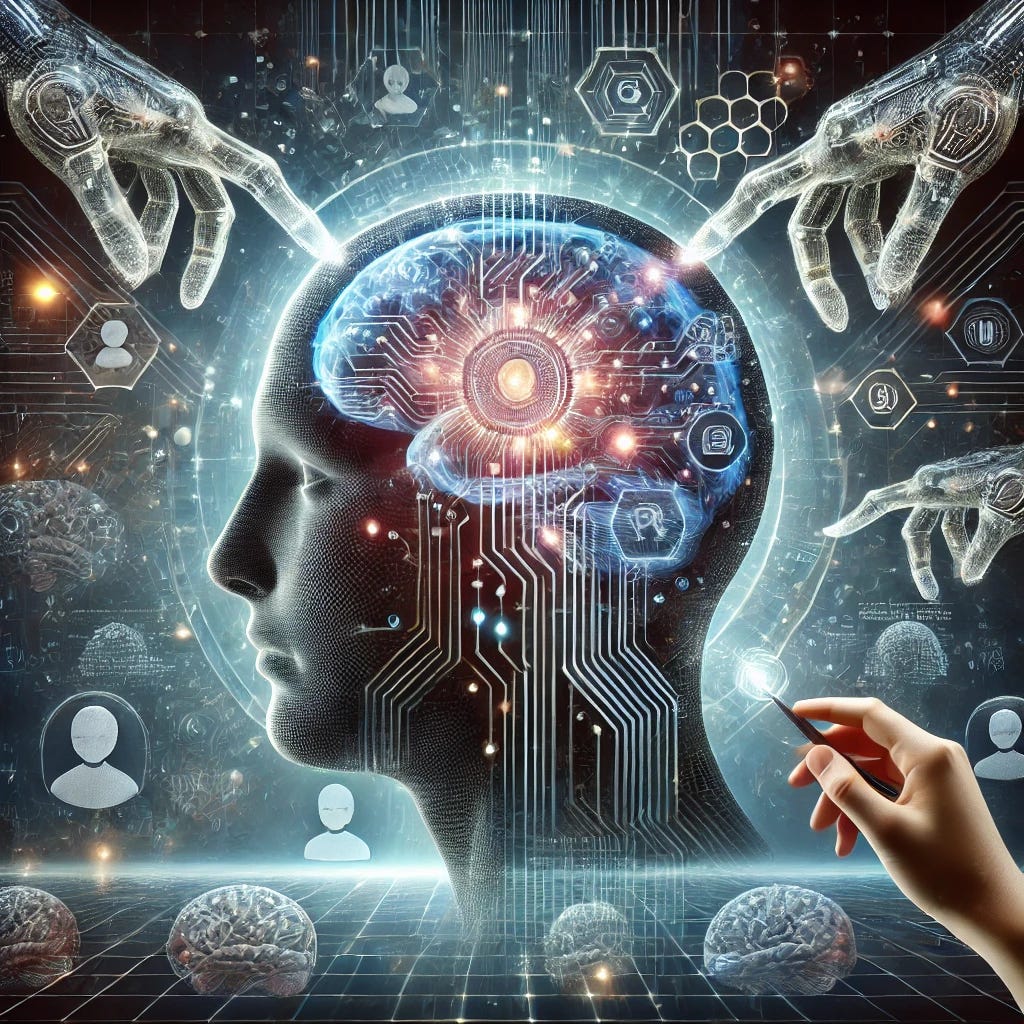
In parallel, developments in brain-computer interfaces (BCIs), such as Elon Musk’s Neuralink, are making it increasingly feasible to record and interpret neural activity at high resolution. While current applications are rudimentary, the long-term goal is to develop two-way BCIs that could upload and download complex cognitive data—including memories.
The Emerging Landscape of Memory Manipulation
Memory manipulation already exists in rudimentary forms. Eye Movement Desensitization and Reprocessing (EMDR) is a therapy that helps reframe traumatic memories. Certain medications, like propranolol, can dampen the emotional impact of specific recollections. What happens when we move beyond modifying memories to fully replicating or sharing them?
Memory Recording: Researchers at the University of Southern California have developed prototypes of memory prosthetics that assist people with memory loss by mimicking the brain's own encoding patterns.
Memory Transfer: In 2018, a team led by UCLA neurobiologist David Glanzman successfully transferred a memory (a defensive reflex) from one sea slug to another by injecting RNA. Though primitive, this experiment suggests memories may be transferable via biological substrates.
These developments hint at a future where memories could be digitized, archived, and distributed like any other form of data.
Philosophical Implications: Are Memories the Self?
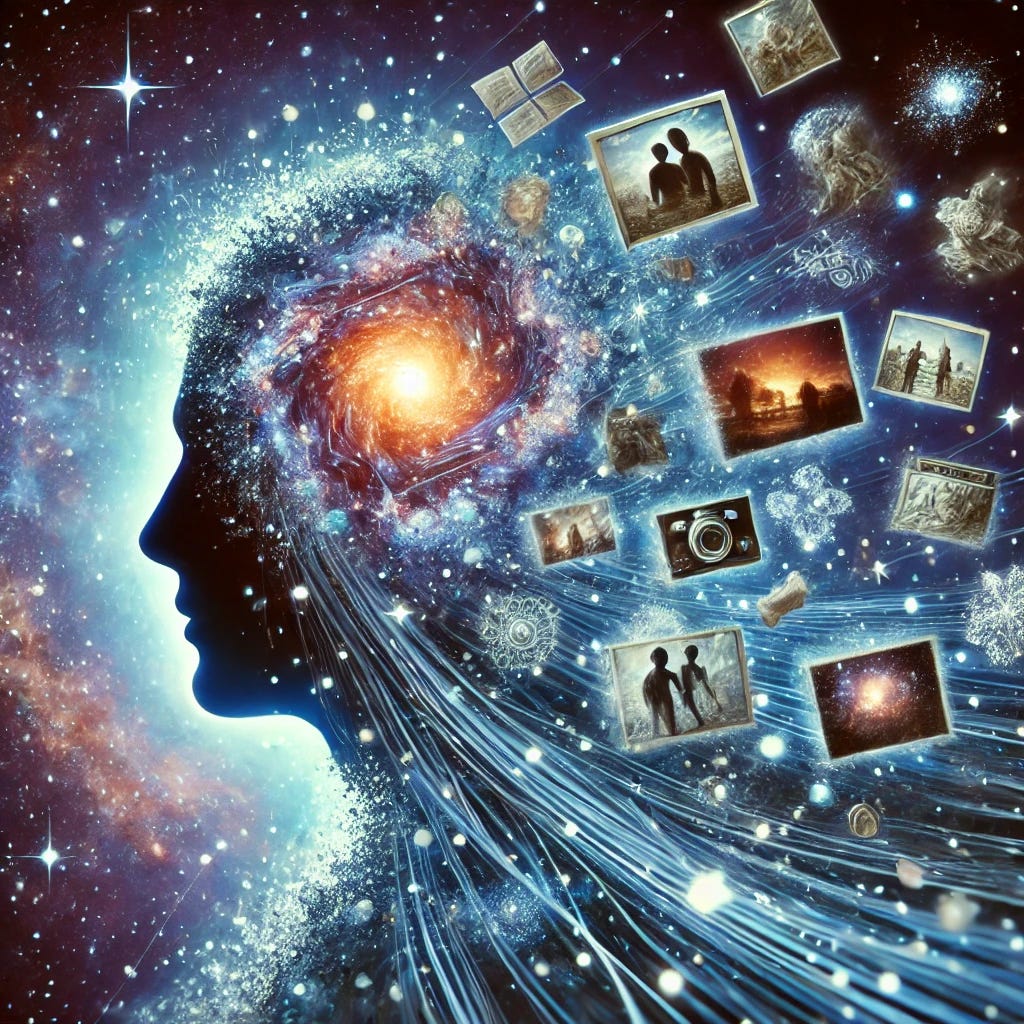
Memory plays a central role in personal identity. Philosopher John Locke argued that continuity of memory defines the self over time. If we can alter or insert memories, are we also changing the self?
Authenticity: If someone downloads the memory of running a marathon, can they claim the pride or personal growth that comes with it? Is it ethical to experience something you never truly lived?
Consent: What if someone sells a memory that includes another person—do both parties need to consent? Could memories be anonymized? Would that strip them of their emotional context?
Trauma and Forgiveness: Could victims of trauma choose to erase painful memories? If so, what happens to the lessons, growth, or justice tied to those memories?
These questions challenge our understanding of consciousness, identity, and morality in a world where memory becomes a commodity.
Potential Uses and Abuses
Therapeutic Applications:
PTSD treatment through memory rewriting or erasure.
Rehabilitation by reinforcing positive behavioral patterns.
Learning acceleration by transferring skill-based memories, akin to Neo learning Kung Fu in The Matrix.
Commercialization:
Experience tourism: Sell the sensation of skydiving or scuba diving.
Emotional memories: Relive the joy of a wedding or the thrill of a championship game.
Skill acquisition: Buy the memory of someone fluent in a language or trained in surgery.
Black Market Risks:
Memory theft via hacking of neural implants.
Blackmail using stolen or implanted compromising memories.
False testimony based on fabricated memories.
Legal and Ethical Quandaries:
Ownership: Who owns a memory—the originator or the purchaser?
Regulation: Should there be a governing body overseeing memory transactions?
Liability: Who is responsible if a sold memory causes psychological harm?
Societal Impact: A New Class Divide?
If memories can be bought, they may become another tool for inequality. The wealthy could acquire countless skills and life experiences without effort, while others remain grounded in the traditional pace of learning and living. This could lead to a bifurcation of society: those who live life organically and those who curate it like a playlist.
Such a divide might also affect emotional development. Authentic experiences come with struggle, failure, and personal growth. Purchased memories may provide sensation without substance, leading to an emotional disconnect or existential confusion.
The Road Ahead: Speculation Meets Caution
While the technology to fully implement a memory market is still decades away, the building blocks are rapidly falling into place. Ethical frameworks, privacy laws, and philosophical discourse must evolve alongside the science to ensure that such power is wielded responsibly.
If the human mind becomes editable, we must ask ourselves what we value more: the experiences we live or the memories we hold. The answer could redefine what it means to be human.
Sources and Further Reading:
Ramirez, S. et al. (2013). Creating a False Memory in the Hippocampus. Science, 341(6144).
Glanzman, D. et al. (2018). RNA from Trained Aplysia Can Induce an Epigenetic Engram for Long-Term Sensitization. eNeuro.
Locke, J. (1690). An Essay Concerning Human Understanding.
Yuste, R. et al. (2017). Four ethical priorities for neurotechnologies and AI. Nature, 551(7679).
Elon Musk’s Neuralink Presentations (2019–2023).
Would you trade a memory for another? Or is the struggle part of the story worth keeping intact? The future may offer us a choice we never imagined we'd have to make.
For a split second this seems like a good idea and possibly a financial monster. Then reality reaches out and smacks my jaw allowing me to think what a pitiful life if all of your great memories were the exact same cookie cutter memory as 1M others in just the last month.
Think about it like this if you were young and had many memories like this your social and private life would be in crisis, we are already not having enough person to person human contact and have lost the ability to communicate with each other properly and forbids the need arise to speak to someone of the opposite sex or someone we're attracted to. We need physical contact and experience things differently from each other, it's part of what makes us individuals, BUT on a special occasion why not???
Memory as a product...
Nice premise... if you don't own your past, do you still own yourself?
Want to evade the meaninglessness of life with passive nostalgia? Want to get the trophy without the struggle? What's your price?
One up: license memories. Give them 30 second unskippable Coca-Cola ads before downloading the memory of their child's birthday party. Want a seamless download experience of your new skill? Upgrade to Memories+
I absolutely love this.