
The Automation Paradox
Exploring ChatGPT

For centuries, humans have dreamed of a future where technology liberates us from tedious labor, allowing more time for leisure, creativity, and personal growth. From the Industrial Revolution to the rise of artificial intelligence, technological advancements have indeed made our lives easier in countless ways. Yet, paradoxically, instead of reducing work, these innovations often lead to more work, not less.
Despite growing fears that automation and AI will eliminate jobs, history suggests that technology doesn’t simply replace workers—it transforms industries, reshapes job roles, and creates entirely new fields of employment. The future of work is not about humans becoming obsolete but rather about humans adapting faster than ever before to a rapidly changing landscape. But is this transformation always for the better? In this article, we’ll explore both sides of the automation paradox, diving deep into why technology can both increase and reduce workloads, depending on how it is implemented.
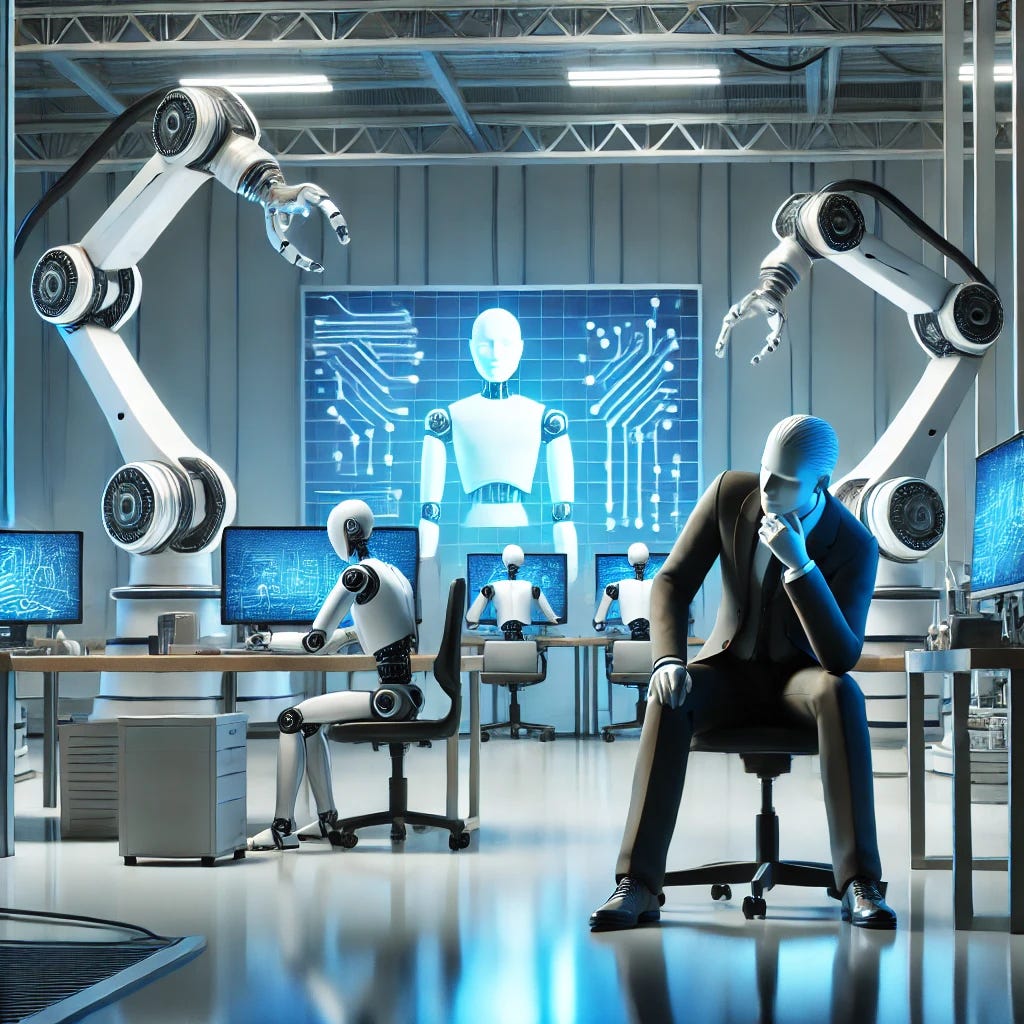
A Historical Perspective: When Machines Changed Work Forever
History is filled with moments where new technology was expected to replace workers entirely. While it did eliminate certain jobs, it simultaneously created new industries, new opportunities, and—ironically—new forms of work.
The Industrial Revolution: Mass Production, Mass Employment
During the late 18th and early 19th centuries, the introduction of mechanized factories in Britain and beyond led to the rapid production of goods. Many feared that factory machines would make manual laborers unnecessary. In reality, industrialization didn’t remove work; it shifted it. While textile artisans were replaced by machines, entire industries sprang up around factory management, transportation, engineering, and infrastructure development. The rise of industrial cities also increased demand for service-based jobs like banking, healthcare, and education.
The Rise of Computers: The Unexpected Job Boom
The introduction of computers in the mid-20th century sparked similar fears. Secretaries, bookkeepers, and factory workers worried that automation and computing would make their roles obsolete. But instead of mass unemployment, computers created entire new job markets, including software development, IT support, cybersecurity, and data management.
Take, for example, the 1980s when businesses adopted personal computers en masse. Rather than reducing the workforce, companies hired more employees to manage digital systems, optimize efficiency, and develop new software. Today, nearly every company requires IT professionals, a job category that barely existed 50 years ago.
The Internet Revolution: New Forms of Work
The rise of the internet and digital economy in the 1990s and 2000s created another shift. While traditional retail declined due to e-commerce, platforms like Amazon, eBay, and Shopify gave birth to digital storefronts, freelance work, and gig economy roles. Social media influencers, YouTubers, and digital marketers—entirely new job types—emerged from the internet revolution. Instead of reducing work, digital connectivity blurred the lines between work and life, making people more available and increasing demands for constant engagement and productivity.
Why Automation Increases Workload
Despite promises that automation will eliminate drudgery, many find themselves working harder and longer than ever. Here’s why:
1. Increased Productivity Means Higher Expectations
Technology makes workers more efficient, but instead of reducing hours, employers often expect more output in the same amount of time.
Email and instant messaging allow constant communication, making employees feel pressured to be available 24/7.
Automated tools mean workers must juggle more responsibilities—a single employee can now manage tasks that once required an entire team.
In fields like journalism, AI-generated reports allow news outlets to publish faster, but human journalists must now focus on producing deeper, more analytical pieces under tighter deadlines.
2. New Technologies Create New Problems
Each technological advancement solves some problems but introduces new ones that require human oversight.
AI-powered chatbots handle customer service inquiries, but they still require human intervention when dealing with complex issues.
Cybersecurity threats increase with automation, requiring more human experts to defend against hackers exploiting AI vulnerabilities.
Automated trading algorithms create faster financial transactions, but they also introduce unpredictable risks that require human traders to intervene during market instability.
3. Job Transformation, Not Elimination
Many jobs that appear to be at risk of automation actually evolve rather than disappear.
Manufacturing: Robotics have replaced assembly line workers, but now factories employ engineers, programmers, and robot maintenance technicians.
Finance: AI-driven trading systems have changed the nature of investment banking, yet human analysts, compliance officers, and fraud detection specialists remain in demand.
Healthcare: AI diagnostics support doctors rather than replace them, leading to new fields like AI-assisted medicine and medical data analysis.
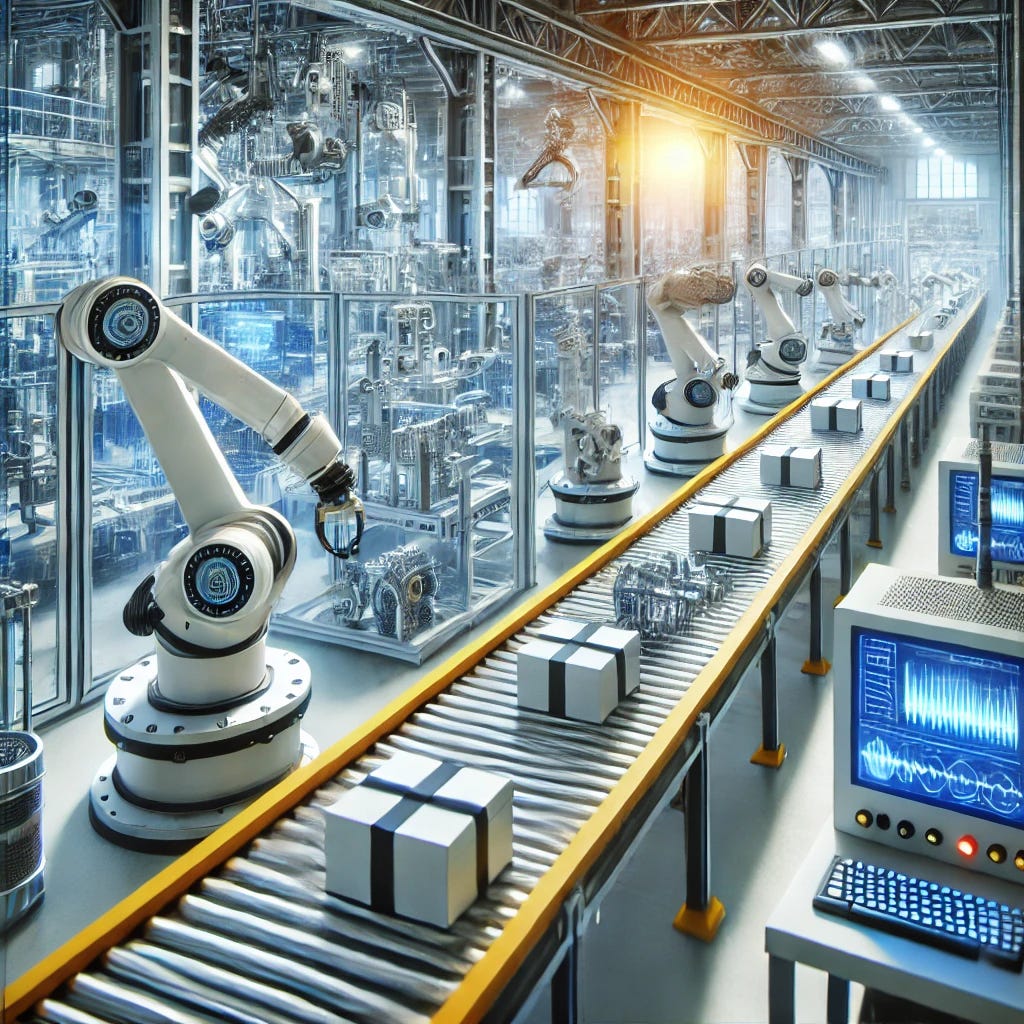
The Other Side: Can Automation Actually Reduce Work?
While the historical trend suggests technology creates new work, there are cases where automation does, in fact, reduce workloads and free up time.
Self-Checkout Machines: Retail chains like Walmart and Amazon Go have introduced self-service technology, reducing the number of cashiers needed.
Automated Manufacturing: Some factories have implemented near-total automation, cutting workforce numbers drastically (e.g., Tesla’s gigafactories).
AI Content Generation: AI-driven tools like ChatGPT have reduced the need for certain types of copywriters, allowing businesses to generate marketing materials with fewer employees.
In some cases, reduced workloads translate into shorter workweeks or better work-life balance—as seen in some Scandinavian countries where automation has led to more efficient productivity and fewer required working hours.
Preparing for the Future: How to Adapt
Instead of fearing job loss, workers should focus on adapting to a rapidly changing workforce. Here’s how:
Upskilling and Lifelong Learning – Keeping pace with AI and automation requires continuous education, whether in coding, cybersecurity, or digital literacy.
Emphasizing Uniquely Human Skills – Creativity, critical thinking, and emotional intelligence are areas where AI struggles, making them valuable career assets.
Leveraging Automation Instead of Competing Against It – Workers who learn to use AI as a tool (e.g., using AI-assisted design software) will stay ahead of those who resist change.
Exploring New Job Opportunities – Emerging fields like AI ethics, human-AI collaboration, and virtual reality development are growing industries of the future.
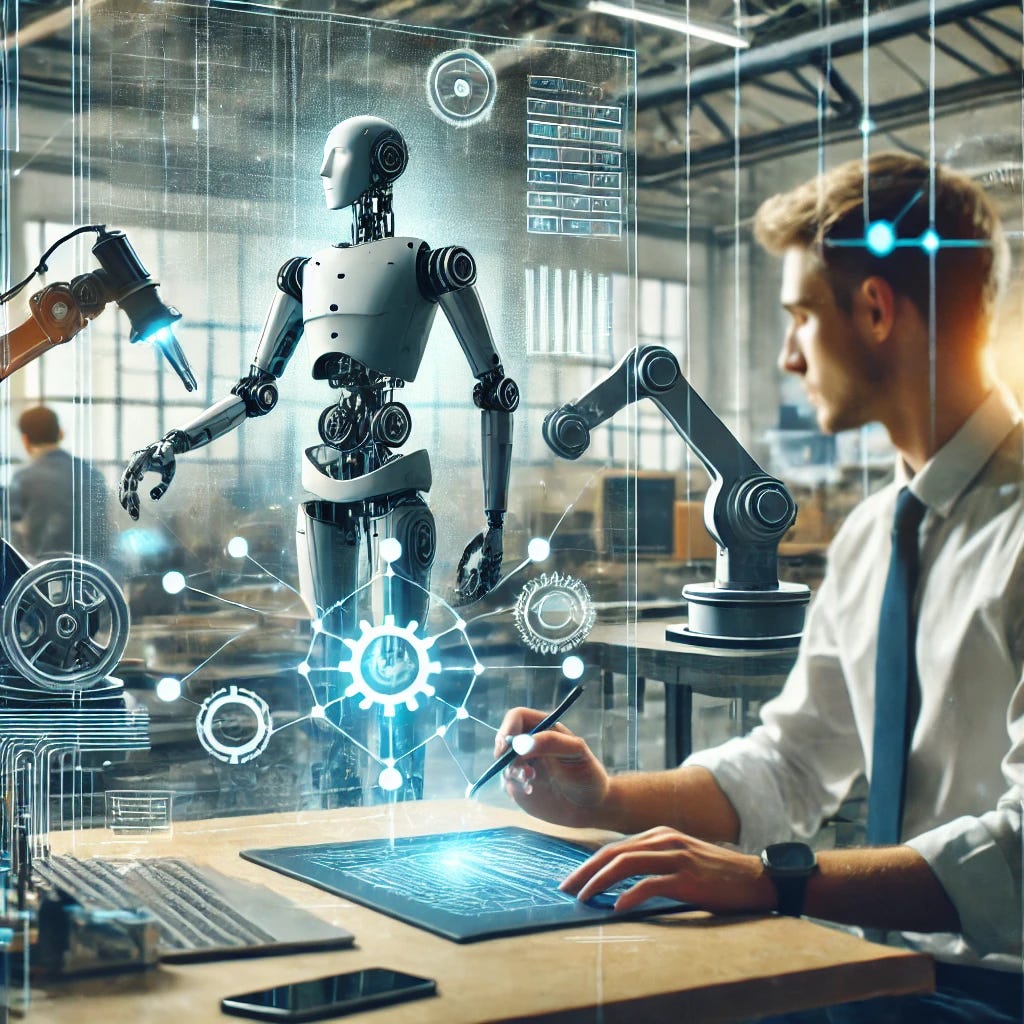
The automation paradox proves that technology doesn’t eliminate work—it reshapes it. While automation may replace certain job functions, it also creates new industries and shifts responsibilities rather than making human workers obsolete.
The real question isn’t whether jobs will disappear, but whether we are prepared to evolve alongside technology. By adapting, upskilling, and embracing automation as a tool rather than a threat, workers can ensure they remain valuable in a future shaped by AI and robotics.
So, will automation set us free or push us to work even harder? The answer lies in how we choose to respond to technological change.
Good material in this edition!