
The Algorithmic Self
Exploring ChatGPT

For centuries, philosophers and psychologists have sought to understand human nature—why we think, feel, and act the way we do. But what if artificial intelligence could do it better? Imagine a future where AI, trained on massive amounts of personal data, could predict your decisions, emotions, and desires before you even become aware of them yourself. Could it reshape your future, redefine free will, or even challenge the very nature of personal identity?
This concept, known as "The Algorithmic Self," is not mere speculation—it is rapidly becoming reality. AI-driven predictive models are already being used in everything from social media algorithms to healthcare diagnostics, often with eerie accuracy. But as these technologies evolve, they raise profound questions: Are we truly autonomous decision-makers? Can AI guide us to better choices, or does it subtly manipulate our behavior? And if AI knows us better than we do, what does that mean for our understanding of selfhood?
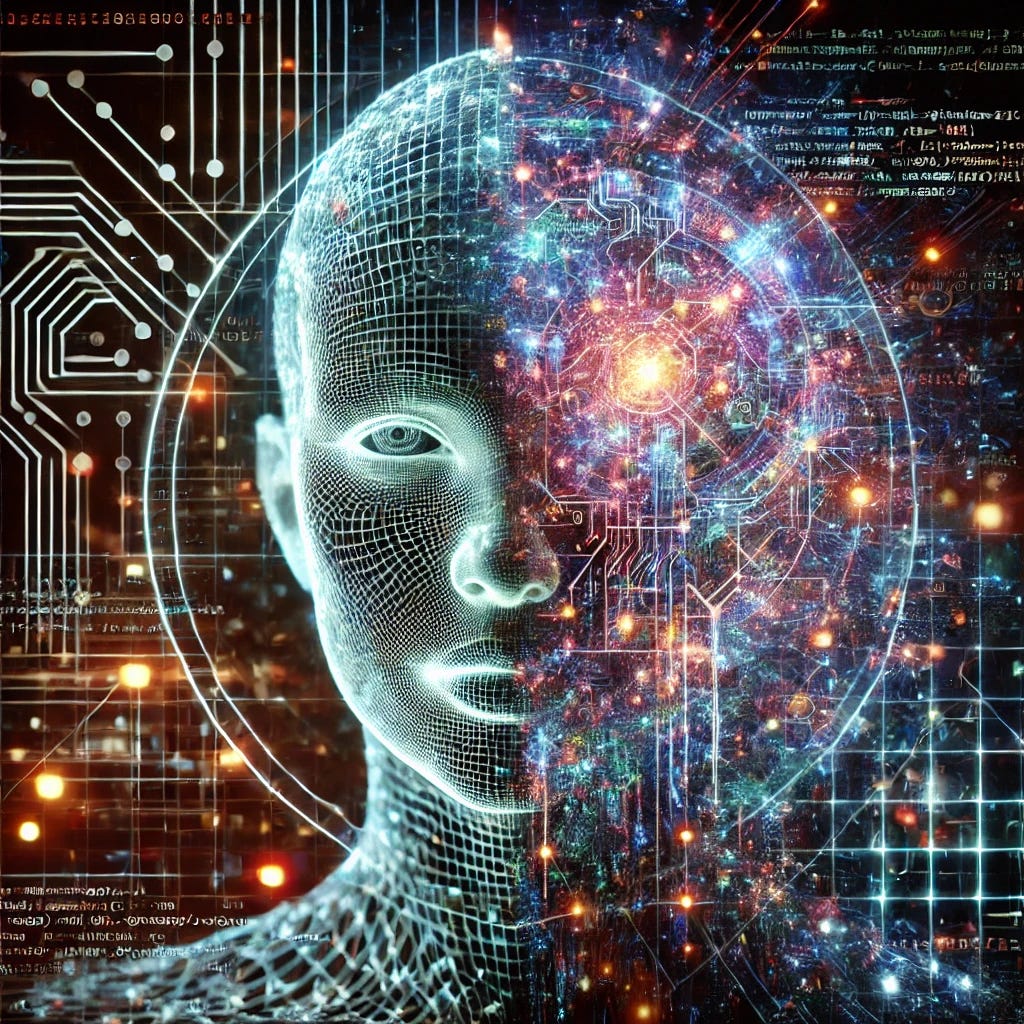
The Science of Predictive Algorithms: How AI Reads Human Behavior
AI-driven predictive models function by analyzing vast datasets, identifying patterns, and extrapolating future behaviors based on past actions. Companies like Google, Amazon, and Meta have developed algorithms that can predict what products we might buy, what videos we will watch, and even what news articles will engage us most.
A 2013 study by researchers at the University of Cambridge and Microsoft found that AI could predict a person's personality traits—such as openness, conscientiousness, and extraversion—simply by analyzing their Facebook likes. The accuracy of these predictions exceeded that of close friends and family members. Fast forward a decade, and AI's predictive capabilities have only grown more refined.
Healthcare and Early Disease Detection: AI models can detect illnesses such as Parkinson’s and Alzheimer’s years before symptoms manifest. Researchers at MIT developed an AI that can predict breast cancer risk up to five years in advance by analyzing mammogram data more effectively than human radiologists.
Financial Decision-Making: Hedge funds and investment firms now rely on AI to anticipate market fluctuations before they happen. AI can analyze global news, social sentiment, and historical data to predict economic shifts, sometimes more accurately than human analysts.
Behavioral Forecasting in Law Enforcement: Predictive policing algorithms claim to anticipate where crimes are likely to occur. While controversial, such systems highlight AI’s ability to recognize patterns in human behavior—raising ethical concerns about preemptive justice.
Cognitive Bias vs. AI Rationality: The Battle Between Instinct and Data
Human decision-making is fraught with cognitive biases—systematic errors in thinking that affect judgment. These biases, such as confirmation bias (favoring information that supports our existing beliefs) and loss aversion (fearing losses more than valuing gains), often lead to irrational choices.
AI, by contrast, operates purely on data. In theory, it can help humans make better decisions by eliminating bias. For instance:
Medical Treatment Plans: AI can recommend optimal treatment plans based on statistical success rates rather than doctors’ subjective experience.
Job Hiring Processes: AI-driven hiring tools aim to remove unconscious biases that lead to discrimination in recruitment.
Personal Finance Management: AI budgeting apps analyze spending patterns and suggest personalized strategies to optimize savings.
However, this raises a deeper question: If AI’s decisions are statistically superior, should we always defer to its recommendations? At what point does reliance on AI turn into surrendering personal agency?
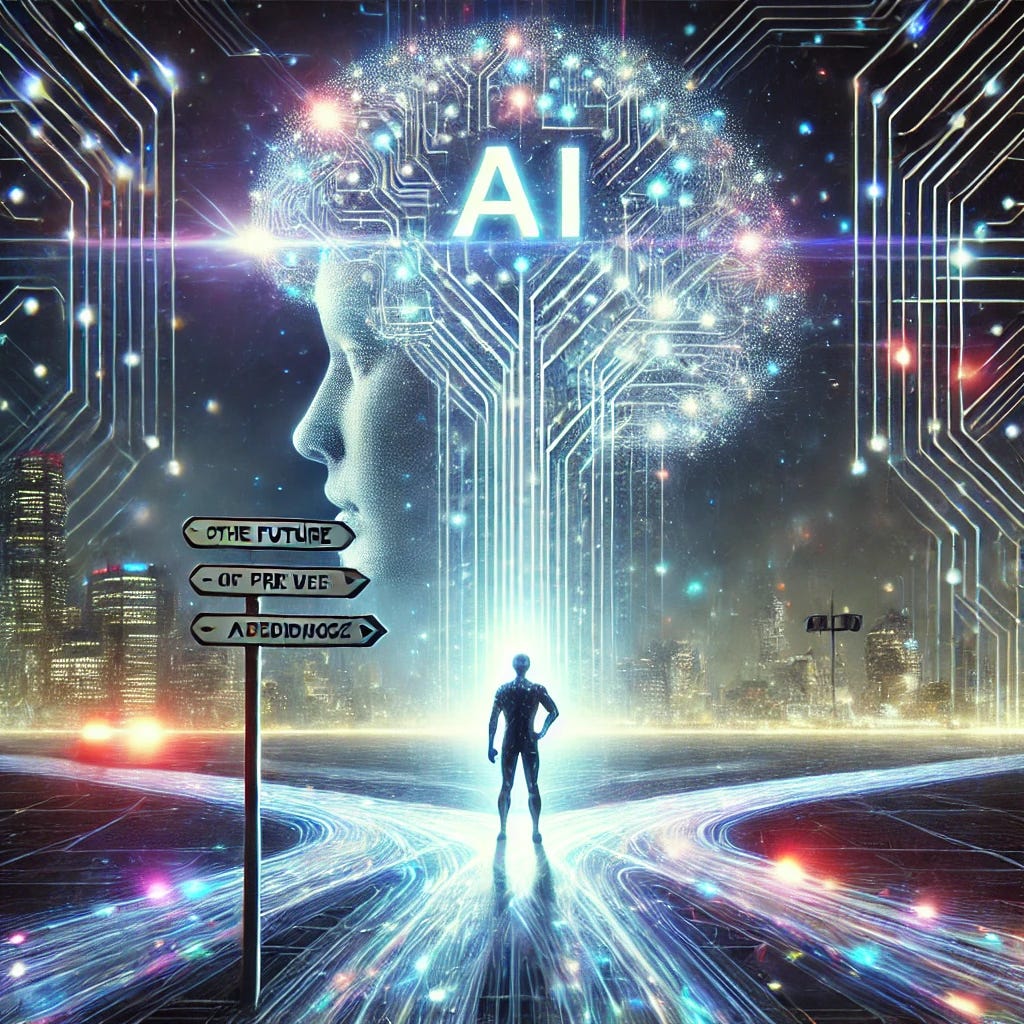
The Future of Free Will: If AI Predicts Our Choices, Do We Still Have Autonomy?
The ability to predict future decisions raises unsettling philosophical questions about free will. If an AI can anticipate what we will do before we consciously decide, does that mean our choices were always predetermined?
A 2008 neuroscience study by Benjamin Libet found that brain activity predicting a decision occurred several seconds before participants reported consciously making a choice. This suggests that what we perceive as "free will" may actually be an illusion—our brains decide before we are aware of it. AI, operating at an even more advanced level, could push this idea further by predicting our actions long before we recognize them ourselves.
Imagine an AI that predicts with 99% accuracy whether you will accept a job offer, end a relationship, or develop a certain habit. Would this knowledge shape your actions differently? Could knowing your predicted future create a self-fulfilling prophecy? And if AI can map the course of your life with increasing precision, does that reduce the role of human intuition, emotion, and spontaneity?
Real-World Applications: AI as Guide or Manipulator?
There are two potential paths for AI’s role in our decision-making: as a tool for empowerment or as a mechanism for control.
1. AI as a Benevolent Guide
In a positive scenario, AI serves as an advisory system, helping individuals make healthier, more informed choices.
Mental Health Support: AI-driven therapy bots, like Woebot, analyze users’ messages to detect patterns of stress, depression, or anxiety and offer guidance.
Personalized Education: AI learning platforms adjust curricula based on students’ strengths and weaknesses, optimizing their learning experience.
Enhanced Creativity: AI co-creation tools assist artists, musicians, and writers by suggesting innovative directions for their work.
2. AI as a Subtle Manipulator
On the other hand, AI’s predictive power could be used to subtly shape human behavior in ways that serve corporate or governmental interests.
Social Media Algorithms: Platforms like TikTok and Facebook curate feeds that reinforce users' beliefs, keeping them engaged longer at the expense of intellectual diversity.
Targeted Advertising: AI-driven marketing can predict consumer vulnerabilities and exploit them, encouraging impulse purchases.
Political Influence: Cambridge Analytica’s use of AI to micro-target voters during elections demonstrated how data manipulation can alter democratic processes.
Philosophical Implications: Who Are We If AI Knows Us Best?
The notion that AI could understand individuals better than they understand themselves challenges our fundamental concept of selfhood. Historically, human identity has been shaped by introspection, experience, and personal growth. But what happens when an external system can map our future with greater accuracy than our own intuition?
One possible outcome is an era of hyper-personalization, where AI not only predicts our preferences but actively curates life experiences tailored to us. This could mean:
Automated Decision-Making: AI scheduling our day, choosing our meals, and even selecting potential life partners based on statistical compatibility.
Loss of Self-Discovery: If AI can foresee our career paths or life trajectories, does that diminish the value of exploration and uncertainty?
AI-Driven Identity Crises: As AI predictions become more precise, some individuals may struggle with whether they truly have control over their destinies.
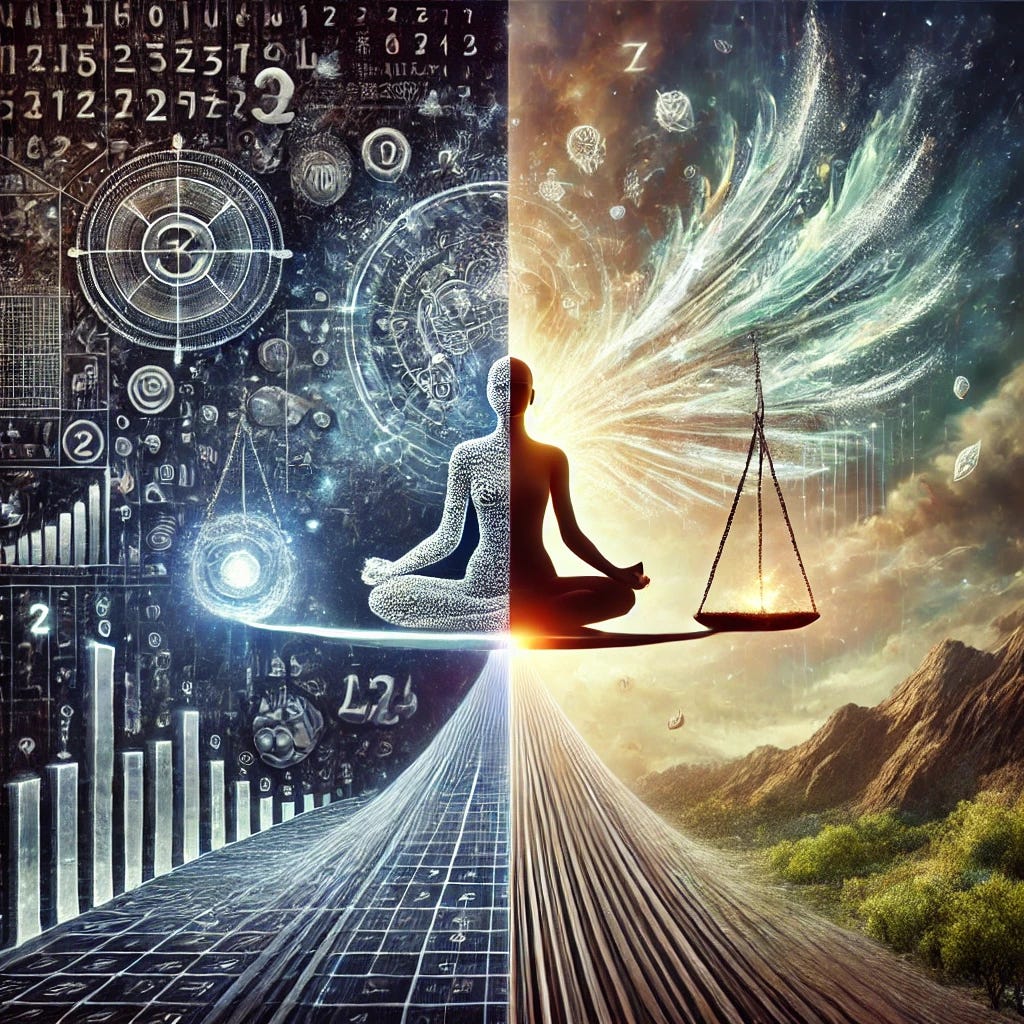
As AI continues to evolve, we must ask ourselves: Is knowing everything about our future a gift or a burden? While AI’s ability to predict human behavior offers incredible opportunities for progress, it also presents profound ethical and philosophical dilemmas. Should we embrace a world where AI optimizes every decision, or should we preserve space for human unpredictability and choice?
Perhaps the true challenge is not whether AI can know us better than we know ourselves, but whether we allow it to define who we become. The future of The Algorithmic Self lies in how we choose to interact with a technology that, paradoxically, might understand our nature more deeply than we ever could.
Very Relatable. Thanks