
Reincarnation and the Conservation of Energy: A Scientific Hypothesis
Exploring ChatGPT

Reincarnation, also known as rebirth or transmigration of the soul, is the belief that after death, the soul or spirit of a person is reborn in a new body. This belief is widespread and has been part of many religious and cultural traditions throughout history.
One of the earliest known forms of reincarnation is found in ancient Egyptian religion, where it was believed that the soul of a person would be judged after death and, based on its deeds, would either be sent to the afterlife or reincarnated.
In Hinduism, reincarnation is central to the belief system, with the soul being seen as eternal and undergoing a cycle of birth, death, and rebirth. This cycle is known as "samsara," and it is believed that the goal of this cycle is to eventually achieve liberation from the cycle and reach a state of enlightenment.
Buddhism also incorporates the concept of reincarnation, with the belief that the soul is reincarnated based on the individual's actions and thoughts in their previous life. The ultimate goal in Buddhism is to reach a state of Nirvana, in which the soul is freed from the cycle of rebirth and is no longer subject to suffering.
In Jainism, the concept of reincarnation is similar to that of Hinduism and Buddhism, with the soul being reincarnated based on the individual's karma and the goal being to eventually reach liberation.
The ancient Greeks also believed in reincarnation, with the idea that the soul was immortal and would be reincarnated after death. The philosopher Pythagoras is believed to have taught the idea of reincarnation, and it was also incorporated into the Orphic and Eleusinian mysteries.
Reincarnation was also part of early Christianity, but it was later rejected by the dominant Christian theology. However, some Gnostic and Christian sects, such as the Cathars, continued to hold the belief in reincarnation.
In modern times, reincarnation continues to be a part of some spiritual and religious beliefs, including those of some New Age and spiritualist movements. The exact details and interpretations of reincarnation can vary greatly between different traditions, but the core belief remains the same: that the soul or spirit is reborn in a new body after death.
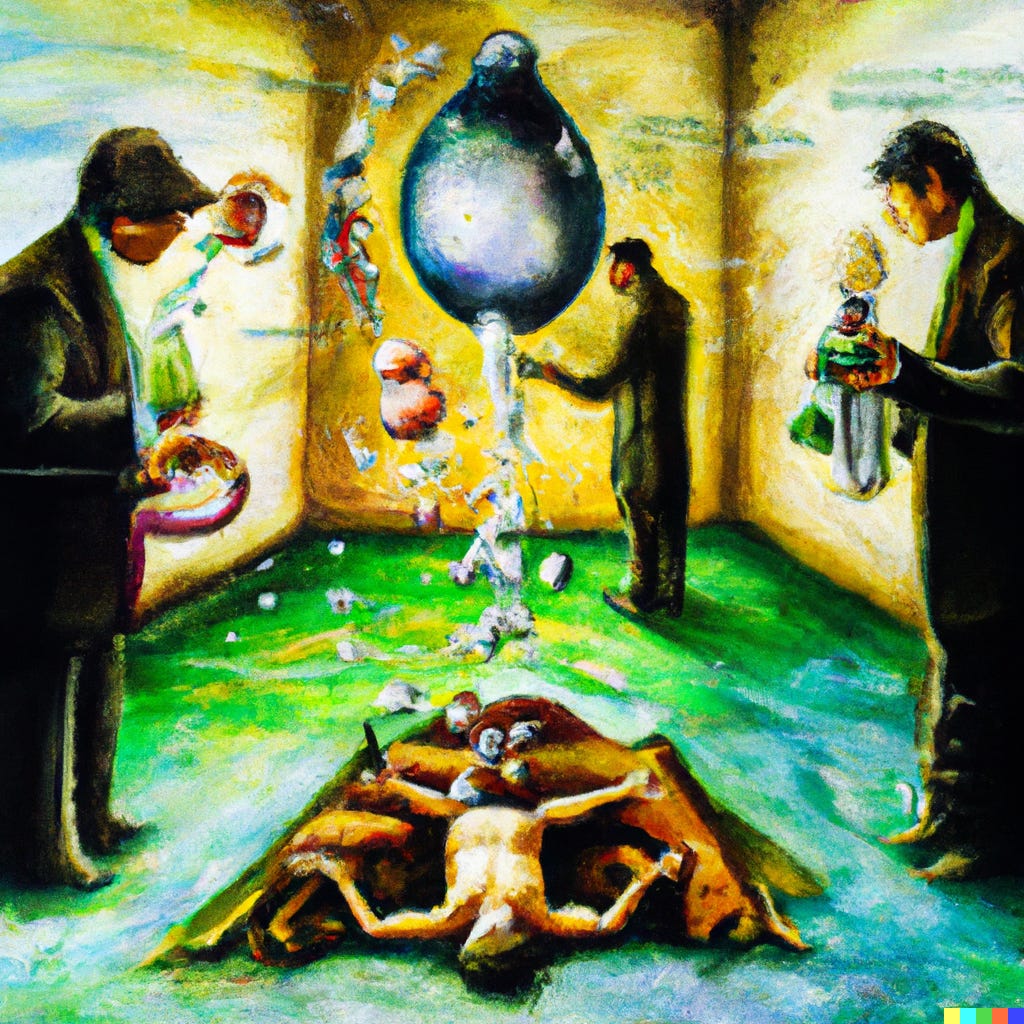
Reincarnation, from a physics perspective, is not a scientifically proven concept and is not supported by mainstream scientific understanding. However, some people have tried to explain reincarnation in terms of physical concepts, such as the conservation of energy.
According to the law of conservation of energy, energy cannot be created or destroyed, only transformed from one form to another. Some proponents of reincarnation argue that the soul or spirit represents a form of energy, which cannot be destroyed but can be transformed into a new body after death.
This idea is based on the assumption that the soul carries a person's memories, personality, and consciousness, and that this information can be transferred to a new body through reincarnation. However, there is no scientific evidence to support this idea, and it remains a matter of philosophical and religious belief.
It is important to note that the concept of reincarnation is not part of mainstream scientific understanding and that the majority of physicists and scientists do not support this idea. While it is an interesting concept, there is no empirical evidence to support the idea of reincarnation or the transfer of energy from one body to another.
Some proponents of reincarnation have proposed a connection between the pineal gland and the concept of reincarnation. The pineal gland is a small endocrine gland located in the center of the brain. It is responsible for the production of the hormone melatonin, which regulates sleep patterns.
One idea is that the pineal gland is a sort of "bridge" between the physical and spiritual realms, and that it plays a role in the process of reincarnation. However, this idea is not supported by scientific evidence and is purely speculative. There is no empirical evidence to support the idea that the pineal gland is involved in reincarnation, and the connection between the pineal gland and reincarnation remains a matter of philosophical and religious belief.
It is important to note that the pineal gland is a well-studied and understood part of the human anatomy, and its role in regulating sleep and other biological processes has been well established by scientific research. The idea of a connection between the pineal gland and reincarnation is not part of mainstream scientific understanding and is not supported by the majority of scientists and medical professionals.