
Mind Over Matter: Exploring the Interface of Consciousness and Quantum Physics
Exploring ChatGPT

Throughout the history of human thought, we have grappled with the nature of reality and the role of consciousness in shaping our understanding of the world. From ancient philosophers to modern physicists, the quest for knowledge has led to the convergence of two seemingly disparate fields: quantum physics and the study of consciousness. This article delves into the fascinating intersection of these disciplines, examining the ways in which our understanding of the quantum realm may inform our understanding of the human mind, and vice versa.
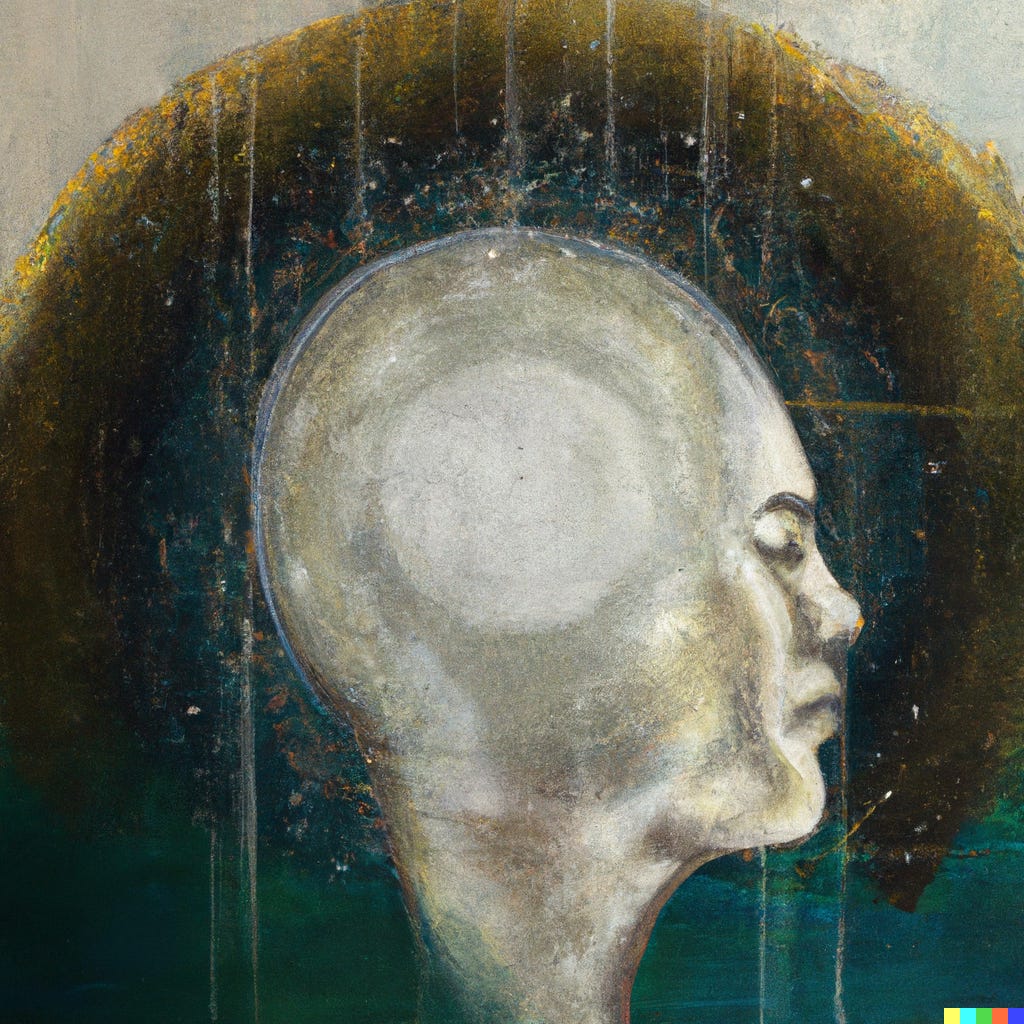
Section 1: A Brief History of Quantum Physics and Consciousness
To appreciate the connection between quantum physics and consciousness, it's essential to understand the development of these fields. Quantum physics emerged in the early 20th century as scientists sought to explain the strange behavior of subatomic particles, which defied the classical laws of physics. Pioneers like Max Planck, Albert Einstein, and Erwin Schrödinger laid the groundwork for a revolutionary new understanding of the universe, where particles could exist in multiple states simultaneously and influence each other's behavior at vast distances.
Meanwhile, the study of consciousness has ancient roots, with philosophers like Socrates, Plato, and Aristotle exploring the nature of the mind and its relationship to the material world. In more recent times, the field has expanded to include cognitive scientists, neuroscientists, and psychologists, all seeking to understand the elusive nature of subjective experience.
Section 2: The Observer Effect and the Role of Consciousness
One of the most intriguing aspects of quantum physics is the role of the observer. The famous double-slit experiment demonstrates how the mere act of observation can influence the behavior of particles. When photons or electrons are fired through two slits towards a detector screen, they exhibit wave-like behavior, creating an interference pattern. However, when the experimenter observes which slit the particles pass through, the interference pattern vanishes, and the particles behave as if they are only passing through one slit at a time.
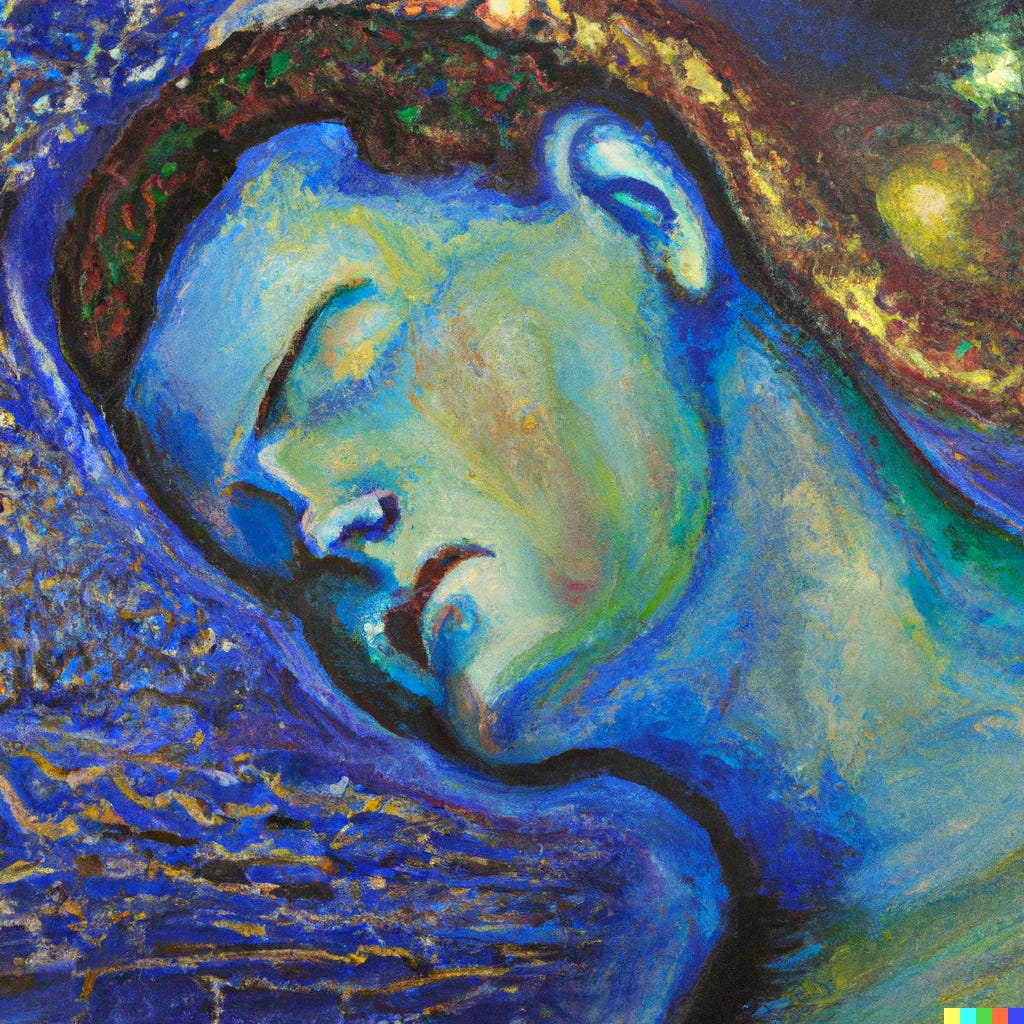
This phenomenon, known as the observer effect, has led some physicists and philosophers to speculate about the role of consciousness in the quantum realm. Does the act of observation by a conscious observer cause the collapse of the particle's wave function, forcing it to adopt a definite state? This idea forms the basis of the Copenhagen interpretation, one of the leading interpretations of quantum mechanics, which posits that the act of measurement forces a quantum system to collapse into a definite state.
Section 3: The Quantum Mind Hypothesis
The potential connection between quantum physics and consciousness has given rise to several theories that suggest the human mind may operate on quantum principles. One such hypothesis is the Orchestrated Objective Reduction (Orch-OR) theory, proposed by physicist Sir Roger Penrose and anesthesiologist Stuart Hameroff. This theory posits that quantum processes occur within microtubules, tiny protein structures found within the brain's neurons. According to Orch-OR, these quantum processes are responsible for the emergence of consciousness and its non-computable properties.
Although the Orch-OR theory remains controversial and lacks definitive experimental evidence, it represents a fascinating attempt to bridge the gap between the seemingly incompatible worlds of quantum physics and human consciousness.

Section 4: Entanglement, Nonlocality, and the Nature of Consciousness
Another concept from quantum physics that has been proposed as relevant to the study of consciousness is entanglement. Entangled particles share a mysterious connection, such that the state of one particle instantly influences the state of the other, regardless of the distance between them. This phenomenon, known as nonlocality, defies our classical understanding of space and time.
Some theorists have suggested that entanglement could play a role in the neural processes that give rise to consciousness. For example, physicist Henry Stapp has proposed a model in which the brain's neural network becomes entangled, allowing for the instantaneous communication of information across vast distances within the brain. This model suggests that quantum entanglement could help to explain the unity of conscious experience, despite the brain's distributed and complex nature.
Section 5: Implications and Future Directions
The interface between quantum physics and consciousness remains a fertile ground for scientific and philosophical exploration. While no consensus has been reached on the role of quantum phenomena in the emergence of consciousness, the ongoing dialogue between these fields has the potential to reshape our understanding of both the physical world and the nature of subjective experience.
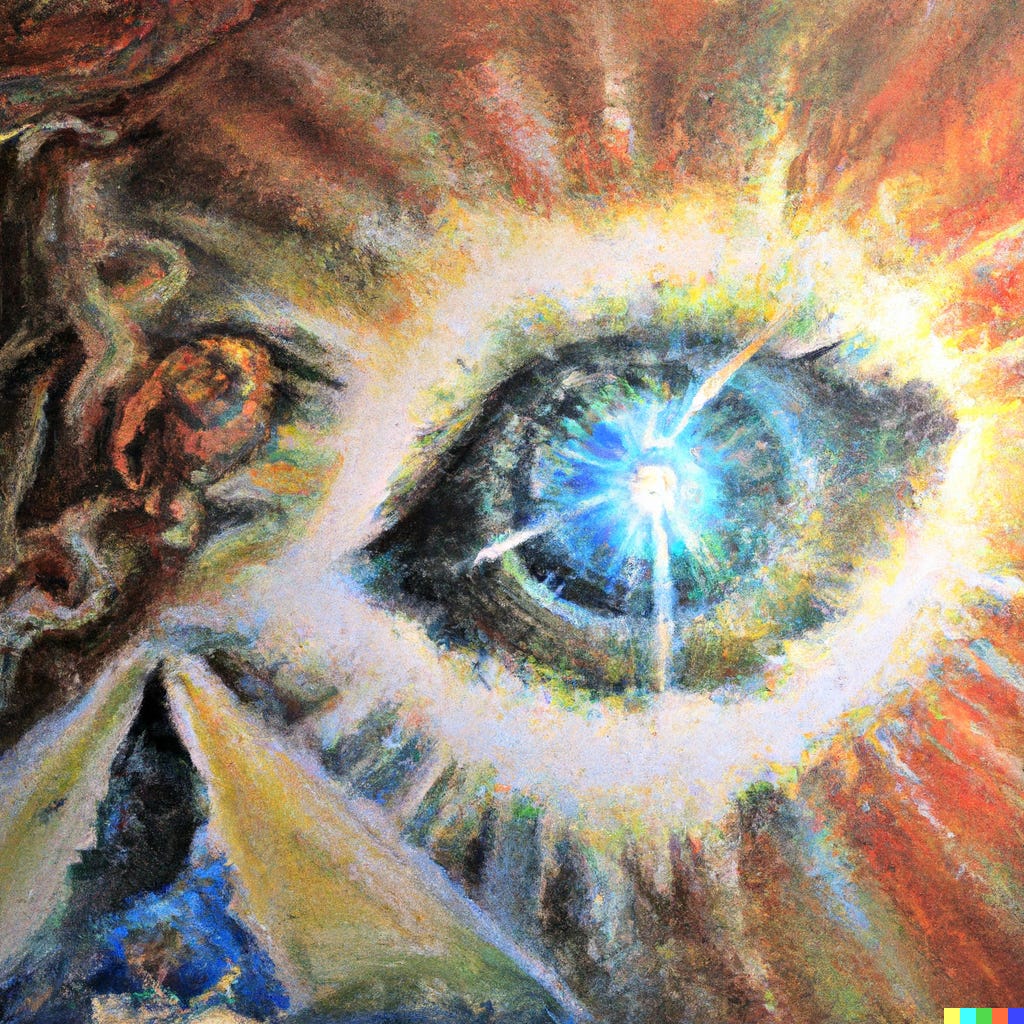
As our knowledge of quantum physics and consciousness continues to expand, we may discover that these seemingly separate domains are more deeply intertwined than we ever imagined. For instance, the development of quantum computing and artificial intelligence may further blur the line between the quantum realm and the realm of human thought. Whatever the outcome, the quest to understand the connection between mind and matter promises to be an exciting and illuminating journey for generations to come.