
Effort Disappeared
AI Is Changing How We Measure Value

Effort used to be visible.
You could tell when something took time. You could feel the weight behind it. Skill showed up in the output because there was no way to fake the process.
That’s changing fast.
Now you can produce something that looks polished in minutes. Writing, code, designs, research, strategies. The output still looks impressive.
But the effort behind it is gone.
Or at least, it’s no longer visible.
And that creates a problem most people haven’t fully processed yet.
Because if effort disappears from view, the way we judge value starts to break with it.
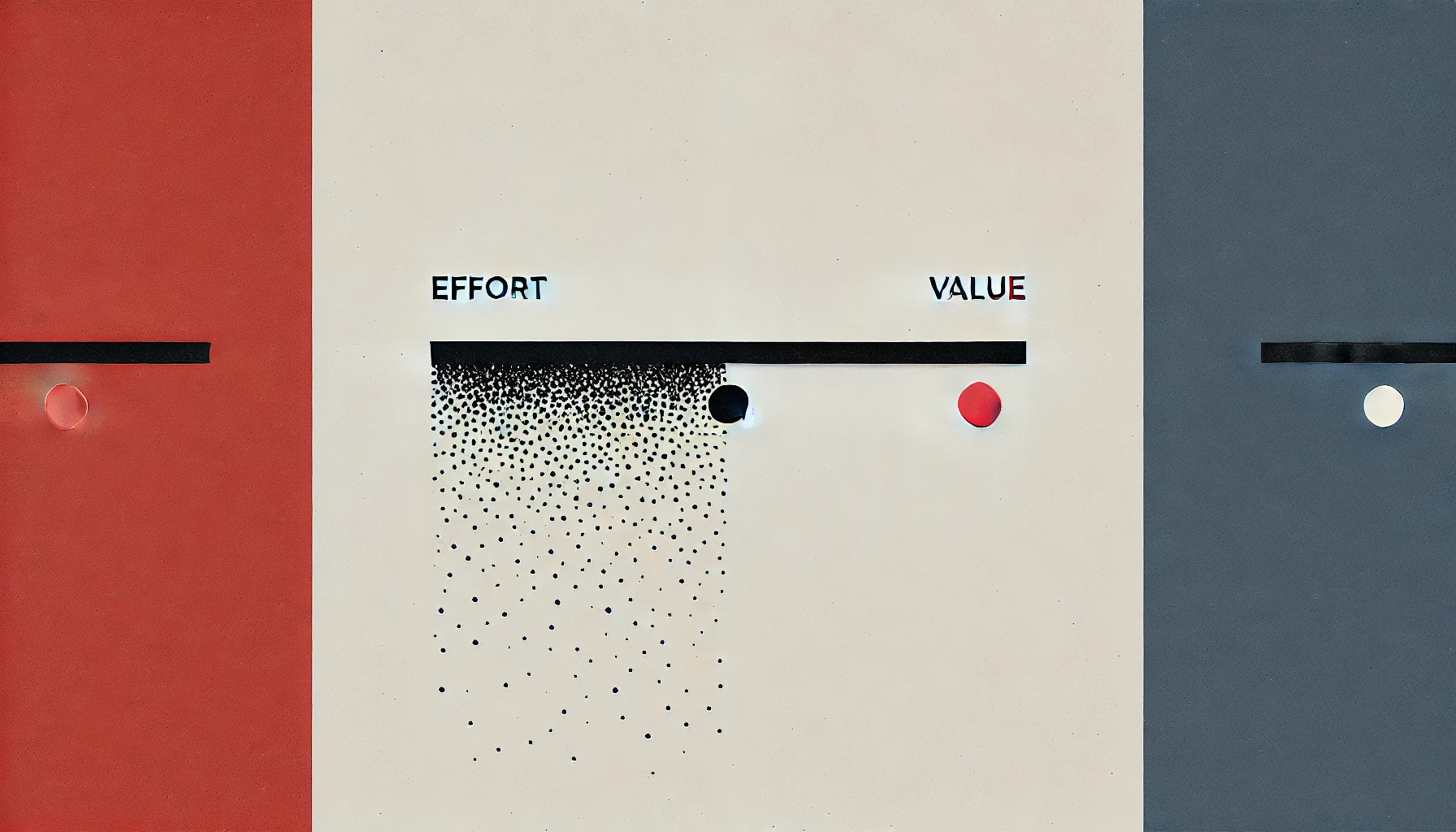
AI Breaks the Signal
AI changes that relationship.
You can now generate high-quality output without going through the same process. The surface looks the same. Sometimes it looks better.
But the underlying effort is no longer tied to the result.
Research on generative AI shows that tools can significantly increase productivity in writing, coding, and knowledge work, often compressing tasks that used to take hours into minutes (Brynjolfsson et al., 2023).
That sounds like pure upside.
Until you realize what disappears along with it.
The signal.
When You Can’t See the Work
Once effort becomes invisible, something subtle shifts.
You can’t tell the difference between:
Someone who spent years mastering a skill
Someone who prompted the right system
The outputs start to overlap.
Not perfectly, but enough.
And when that happens, people stop judging based on process.
They judge based on perception.
What looks good wins.
What feels right wins.
Even if the underlying understanding is completely different.
The Compression of Experience
AI doesn’t just speed things up.
It compresses experience.
What used to require repetition, failure, and refinement can now be approximated instantly. That doesn’t mean expertise disappears, but it becomes harder to distinguish.
Economists studying technological change have pointed out that when tasks become easier, the value shifts toward the parts that remain scarce (Autor, 2015).
In this case, it’s not execution.
It’s judgment.
Why This Creates Friction
There’s a tension building here.
People who built skills the slow way still exist.
People who use AI to bypass that path now exist too.
And from the outside, their outputs can look similar.
That creates confusion.
Who actually knows what they’re doing?
Who just knows how to get the output?
That question becomes harder to answer.
And when it’s harder to answer, trust gets weaker.
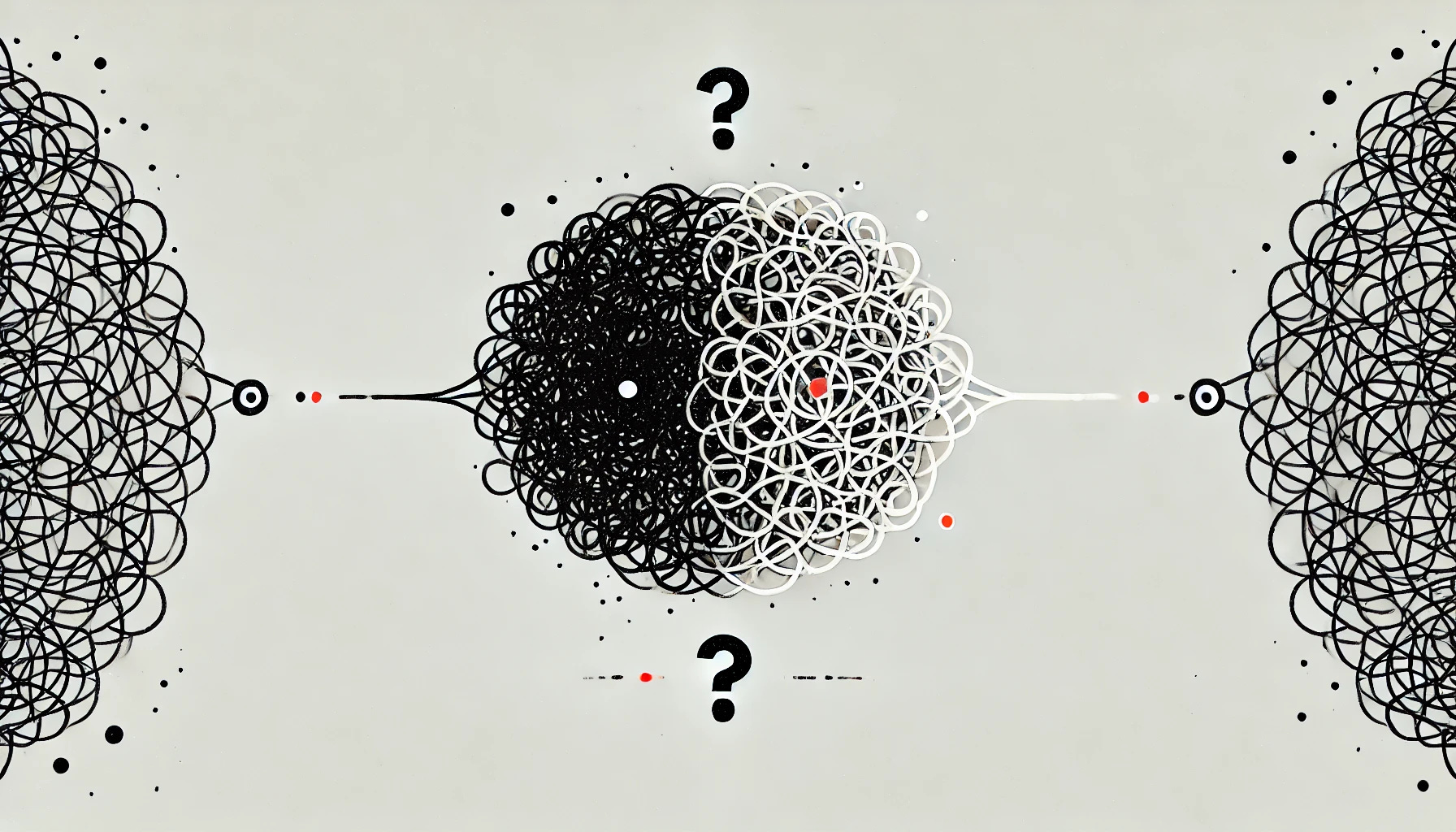
The Shift From Effort to Taste
If effort is no longer visible, something else takes its place.
Taste.
Direction.
Decision-making.
The ability to choose what to build, what to ignore, and what actually matters.
Because when execution is easy, the bottleneck moves upstream.
This is consistent with research showing that as tools improve productivity, the highest returns shift toward complementary human skills like judgment and decision-making (Brynjolfsson & McAfee, 2014).
Not everyone adapts to that shift.
The New Inequality
This doesn’t level the playing field.
It changes it.
People who understand how to direct AI systems effectively gain leverage. People who rely on output without understanding lose it over time.
The gap is no longer:
Skilled vs unskilled
It becomes:
Directed vs drifting
And that gap is harder to see.
Because both sides can produce something that looks good.
The Psychological Shift
There’s also a personal effect.
When effort disappears from the process, your relationship to your own work changes.
You might:
Move faster than your understanding
Trust outputs you didn’t fully reason through
Feel productive without building depth
That creates a strange kind of progress.
You’re moving.
But you’re not always getting better.
What Still Matters
Effort didn’t disappear.
It moved.
It’s no longer in the execution.
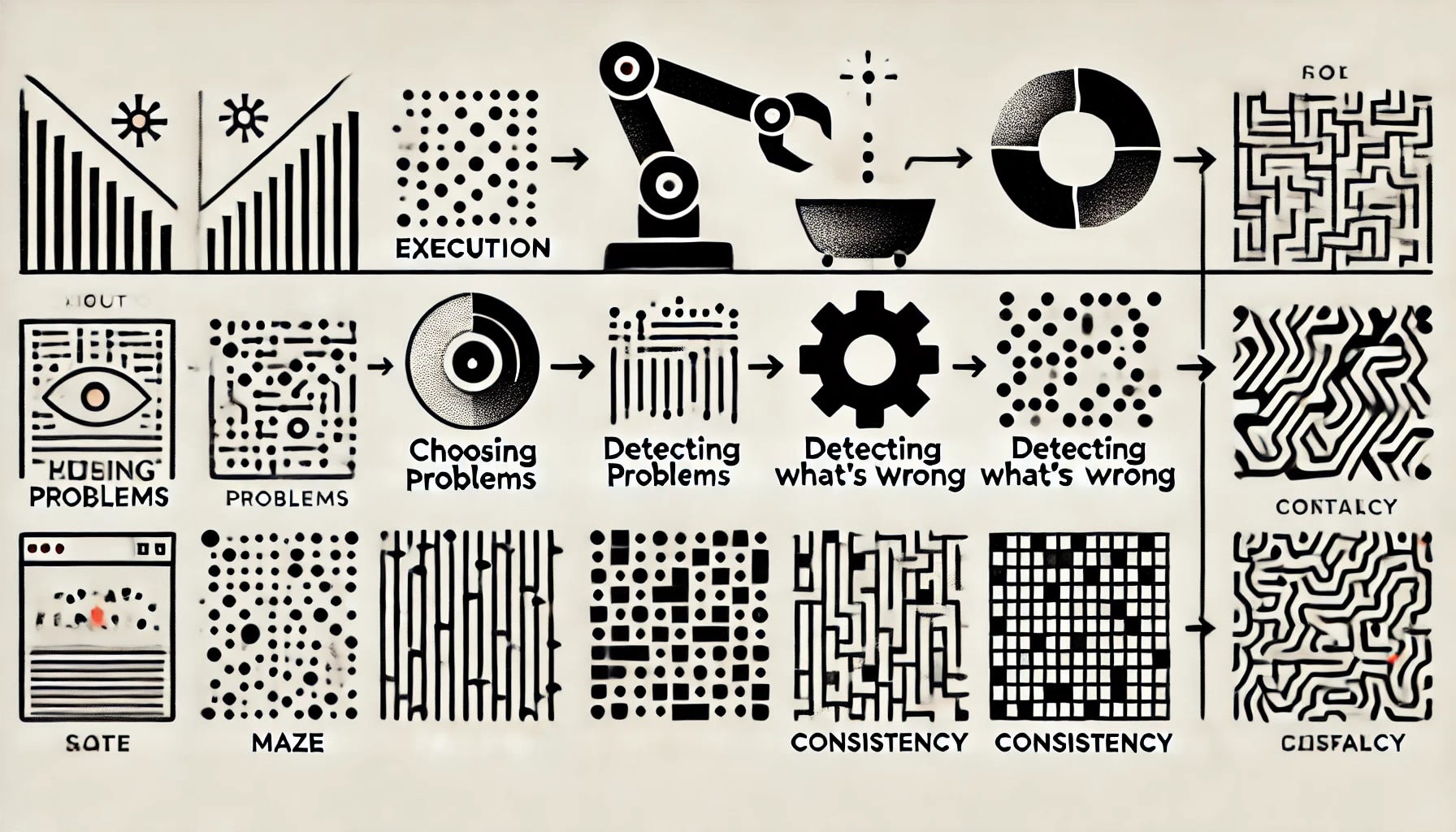
It’s in:
Choosing the right problems
Knowing when something is wrong
Staying consistent when results are easy to fake
Those forms of effort are harder to see.
Which makes them more valuable.
AI didn’t remove effort.
It made it invisible.
And once effort disappears from view, the systems we use to judge value start to break.
Because we were never just measuring output.
We were measuring the work behind it.
Now that connection is weaker.
Which means going forward, the advantage won’t belong to the person who works the hardest.
It will belong to the person who knows where effort still matters.
References
Autor, D. (2015). Why Are There Still So Many Jobs? Journal of Economic Perspectives, 29(3), 3–30.
Brynjolfsson, E., & McAfee, A. (2014). The Second Machine Age. W. W. Norton & Company.
Brynjolfsson, E., Li, D., & Raymond, L. R. (2023). Generative AI at Work. NBER Working Paper.
What I keep pushing on is the institutional layer underneath it. You are right that effort moved upstream, into judgment, taste, choosing the right problem. But most performance management systems, most hiring processes, most promotion criteria were built to measure the execution layer. The outputs. The hours. The deliverables.
The people with genuine judgment have always been undervalued by systems that counted the wrong things. AI did not create that misalignment. It made it expensive to ignore.
The new inequality you name, directed versus drifting, will not be visible in most organisations until the directed people leave and nobody can explain why the outputs kept coming but the decisions got worse.
What does an organisation that actually measures upstream judgment look like? I am not sure I have seen one that does it well.
I spent decades in math training and engineering, now it is gone. I am resorting to my old likes such as writtings and photographs.
"The Shift From Effort to Taste" , so true!