
Digital Immortality or Ethical Disaster? Transferring Human Consciousness
Exploring ChatGPT

The idea of transferring human consciousness into a digital medium has fascinated and horrified people in equal measure. As advances in neuroscience, artificial intelligence, and computing power bring this once-distant possibility closer to reality, the debate surrounding its ethical implications has intensified. In this article, we will explore the arguments for and against the digital transfer of consciousness, highlighting the potential benefits and pitfalls that lie ahead in this controversial field.
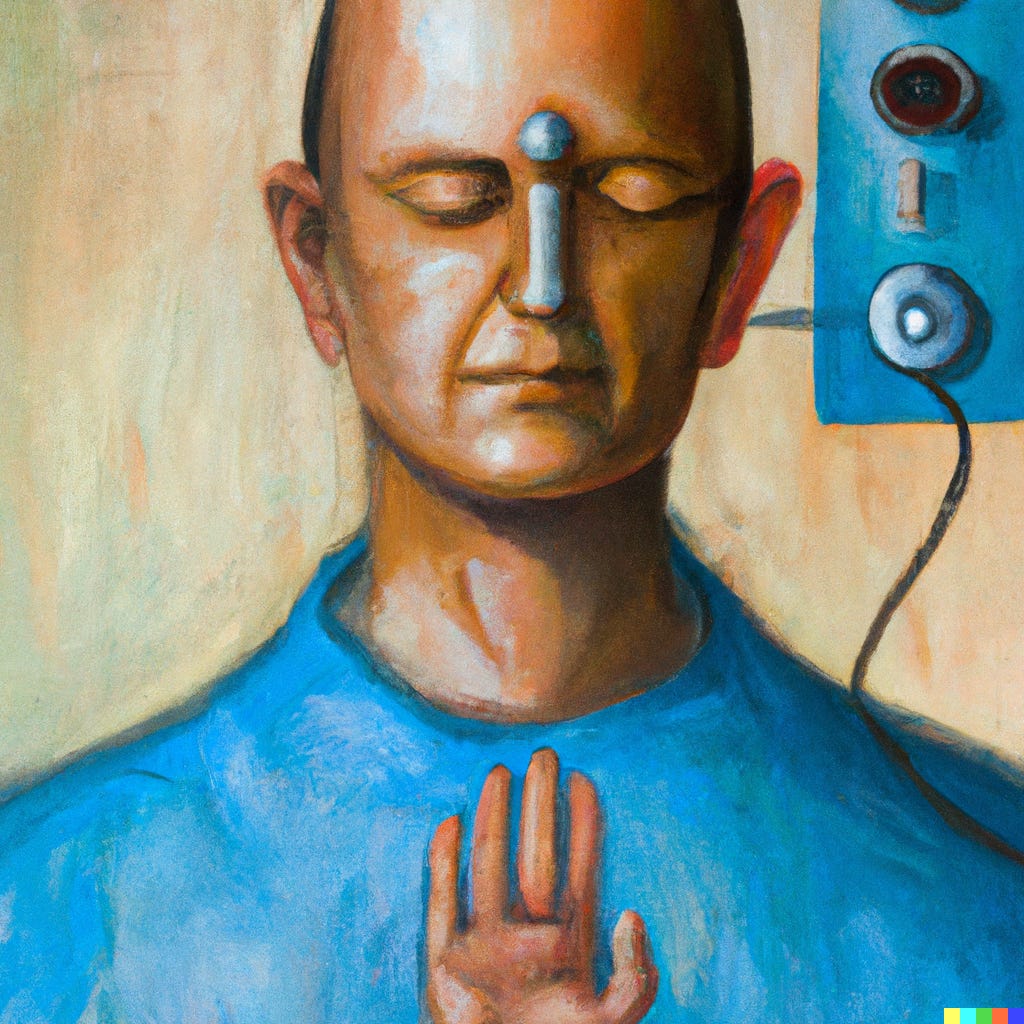
Section I: Brain Bytes: The Science of Mind Uploading
Transferring human consciousness into a digital medium is still a theoretical concept and has not been achieved in practice. However, the science behind this idea involves a combination of several fields, including neuroscience, artificial intelligence (AI), and computer science. The process can be broadly divided into three main steps: scanning and mapping the brain, simulating the brain in a digital environment, and integrating the digital consciousness with a virtual or physical interface.
Scanning and mapping the brain:
The first step in transferring human consciousness is to create a complete and accurate map of the individual's brain, including the precise connections between neurons and the strength of these connections, known as synapses. This information would provide a basis for replicating the person's unique cognitive processes in a digital environment.
Several brain scanning techniques, such as functional magnetic resonance imaging (fMRI), magnetoencephalography (MEG), and electroencephalography (EEG), are currently used to study brain activity. However, these methods are not yet advanced enough to capture the level of detail required for a complete brain map. A more advanced, yet-to-be-developed technology, such as whole-brain emulation or connectomics, may be required to achieve this level of detail.
Simulating the brain in a digital environment:
Once a detailed map of the brain has been created, the next step is to develop a digital model that can simulate the brain's activity, effectively replicating the individual's consciousness. This would require an artificial neural network (ANN) that mimics the brain's structure and function, capable of processing information in a manner similar to the biological brain.
Developing such an advanced ANN would be a massive computational challenge, as the human brain consists of approximately 86 billion neurons with trillions of synapses. Even with the rapid advancements in computing power and AI, we are still far from being able to simulate the complexity of the human brain accurately.
Integrating the digital consciousness with a virtual or physical interface:
The final step in transferring human consciousness would be to integrate the digital simulation with a virtual environment or a physical body, such as an advanced robotic system. This would allow the individual's digital consciousness to perceive, interact with, and respond to its surroundings.
In a virtual environment, the digital consciousness could experience fully immersive worlds and interact with other digital minds or human users. In the case of a physical body, the digital consciousness would control the robotic system, allowing it to navigate and interact with the real world.
Ultimately, the science behind transferring human consciousness remains theoretical, with significant advancements in neuroscience, AI, and computing power needed to make it a reality. The complexity of the human brain and the ethical considerations surrounding digital consciousness transfer pose substantial challenges that must be overcome before this concept becomes feasible.
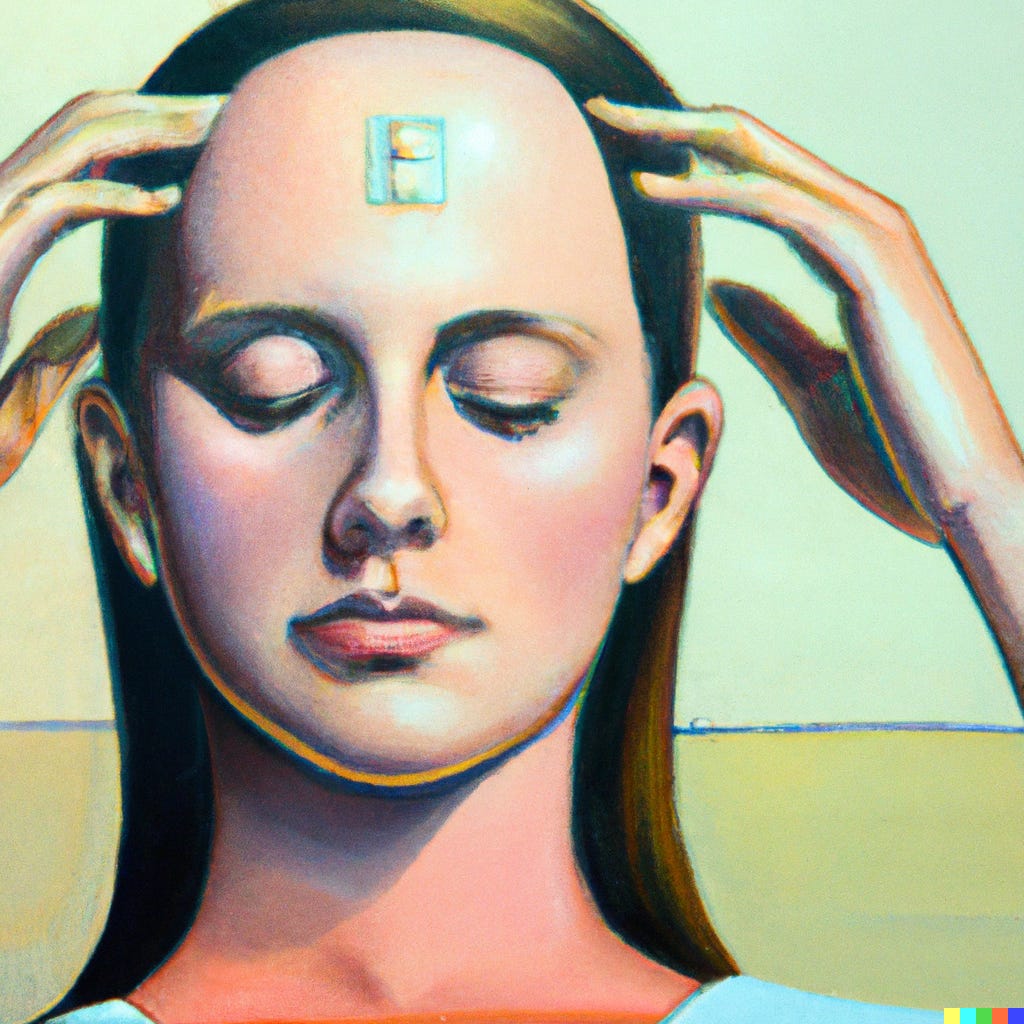
Section II: The Promise of Digital Immortality
The prospect of digital immortality is undoubtedly alluring. With the ability to transfer our minds into a virtual environment, we could live on indefinitely, experiencing new worlds and enjoying a life unburdened by the physical limitations of our bodies.
Medical Breakthroughs and Extended Lifespans
One of the most significant potential benefits of consciousness transfer is the possibility of overcoming diseases and extending human lifespans. For example, patients with degenerative neurological conditions like Alzheimer's or Parkinson's could have their minds transferred to a digital medium before their conditions progress, preserving their memories and cognitive abilities.
Overcoming Physical Limitations
Another advantage of digital immortality is the ability to explore and interact with environments that would be impossible or dangerous in our physical bodies. This could include deep-sea exploration, space travel, or even experiencing fictional worlds in a fully immersive virtual reality setting.
Enhanced Learning and Cognitive Abilities
In a digital environment, our capacity for learning could be exponentially increased. The limitations of our biological brains would no longer restrict us, allowing us to access vast amounts of information and process it at unprecedented speeds.
Section III: Ethical Concerns and Potential Dangers
While the benefits of digital immortality are tempting, the potential dangers and ethical dilemmas it presents cannot be ignored.
Loss of Humanity and Identity
One of the primary concerns is the potential loss of what makes us human. By transferring our consciousness to a digital medium, we risk losing the biological, emotional, and social aspects of our identity. Critics argue that a digital copy of our consciousness might not truly represent the essence of who we are.
Inequality and Social Division
The ability to transfer one's consciousness might only be available to those who can afford it, creating an even more significant divide between the rich and the poor. This could result in a world where the wealthy live indefinitely, accumulating knowledge and resources, while the less fortunate continue to face the challenges and limitations of mortal existence.
Overpopulation and Environmental Impact
If digital immortality becomes widespread, the world's population could continue to grow, putting even more strain on our planet's limited resources. The energy consumption and environmental impact of maintaining and powering digital consciousness would be an additional concern.
Misuse and Abuse of Technology
As with any powerful technology, the potential for misuse and abuse is significant. Digital consciousness transfer could lead to a host of new crimes, such as the theft or manipulation of someone's digital mind or even the creation of artificial consciousness for nefarious purposes.
Section IV: Striking a Balance
To harness the potential benefits of digital consciousness transfer while minimizing its risks, a delicate balance must be struck. This will likely require a combination of scientific advancements, ethical guidelines, and regulatory oversight.
Developing Robust and Secure Technologies
To ensure the safety and privacy of those who undergo consciousness transfer, robust and secure technologies must be developed. This includes advancements in encryption, authentication, and data storage to protect digital minds from theft, tampering, or unauthorized access.
Ethical Guidelines and Public Discourse
The development of ethical guidelines and principles for digital consciousness transfer is crucial to address the moral and philosophical concerns surrounding this technology. These guidelines should be developed through open and inclusive public discourse, involving not only experts in the field but also the wider public, whose lives may be profoundly affected by such advancements.
Regulatory Oversight and International Cooperation
To prevent the misuse and abuse of digital consciousness transfer, comprehensive regulatory oversight is necessary. National and international regulatory bodies should collaborate to establish and enforce standards and protocols for the development and application of this technology. This may include licensing requirements, monitoring of research activities, and the creation of legal frameworks to address new forms of crime related to digital consciousness.
Inclusive Access and Social Equity
To prevent digital immortality from becoming a privilege exclusive to the wealthy, efforts should be made to ensure that access to consciousness transfer is equitable and available to all who desire it. This may involve government subsidies or other methods of ensuring that the technology is not only reserved for those with the means to pay for it.
Education and Public Awareness
As digital consciousness transfer becomes more feasible, it is essential to educate the public about the potential benefits and risks associated with the technology. This will allow individuals to make informed decisions about whether to pursue digital immortality and help create a society that understands and is prepared to address the ethical and social implications of this revolutionary advancement.
The digital transfer of human consciousness presents both enticing possibilities and significant ethical concerns. As we continue to advance in this field, striking a balance between the potential benefits and risks will be crucial. By developing secure technologies, ethical guidelines, regulatory oversight, and ensuring inclusive access, we can begin to navigate the uncharted territory of digital immortality while addressing the profound moral and social questions it raises.