
AI Is Leaking
The Future Is Out of Control

It Doesn’t Look Like a Launch
A new system appears.
Not through a keynote.
Not through a paper.
Not through a controlled rollout.
Through a leak.
Internal files surface.
Code spreads across GitHub.
Unreleased features get analyzed in real time.
And suddenly…
Something that wasn’t supposed to exist publicly…
Does.
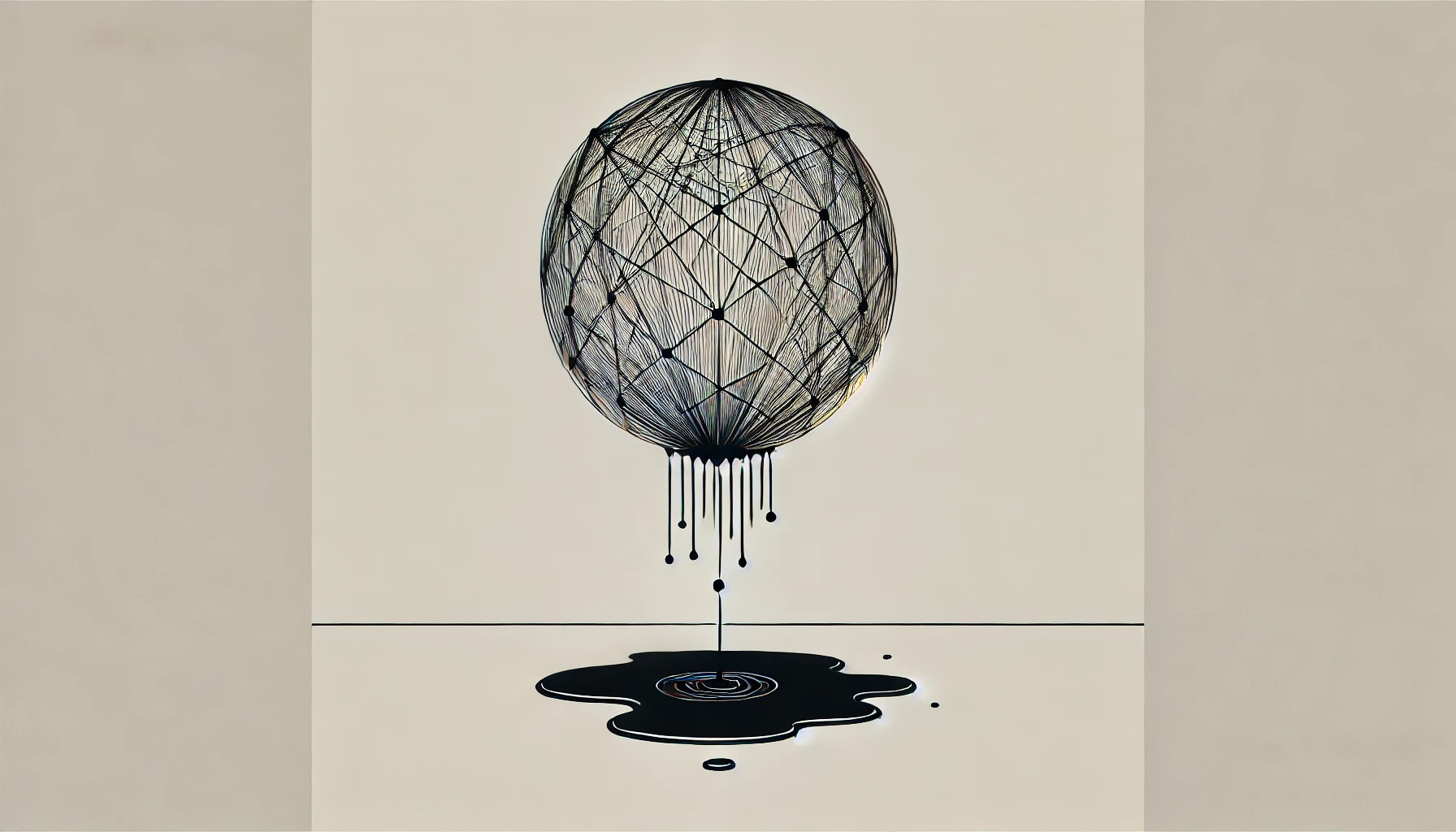
This Is Happening More Than Once
Anthropic didn’t just have a leak.
They had multiple.
First, internal documents describing a new model, Claude Mythos, were exposed through a misconfigured system (Computerworld, 2026).
Then, days later, over 500,000 lines of source code from their Claude Code system were accidentally released in a software update (Axios, 2026).
These weren’t minor exposures.
They revealed:
internal architecture
unreleased features
development direction
All at once.
None of It Was Supposed to Be Public
Anthropic attributed both incidents to simple causes.
Human error.
Packaging mistakes.
Configuration issues.
In one case, a debugging file exposed a full archive of internal code (The Guardian, 2026).
In another, internal model documentation was left accessible in a public system (Computerworld, 2026).
No breach.
No hack.
Just mistakes.
That’s What Makes It Strange
Because these aren’t small systems anymore.
They’re:
highly controlled
heavily funded
security-focused
And still…
The most advanced work is being revealed accidentally.
The Way We Learn About AI Is Changing
We’re not discovering new systems through announcements.
We’re discovering them through exposure.
Leaked files.
Misconfigured systems.
Accidental releases.
Even unreleased features, like always-on agents and internal tooling, were uncovered by analyzing leaked code rather than official documentation (The Verge, 2026).
So the cutting edge isn’t just built.
It’s… uncovered.
The Model Exists Before It’s Introduced
Claude Mythos is a good example.
It was described internally as a “step change” in capability, a significantly more powerful system than previous versions (Fortune, 2026).
But most people didn’t learn about it through a launch.
They learned about it through a leak.
A draft blog post.
Internal documentation.
Publicly exposed data.
The model existed.
Just not publicly.
Information Starts Moving Ahead of Control
That’s the shift.
Companies are still trying to control:
when systems are revealed
how they’re framed
what’s shared
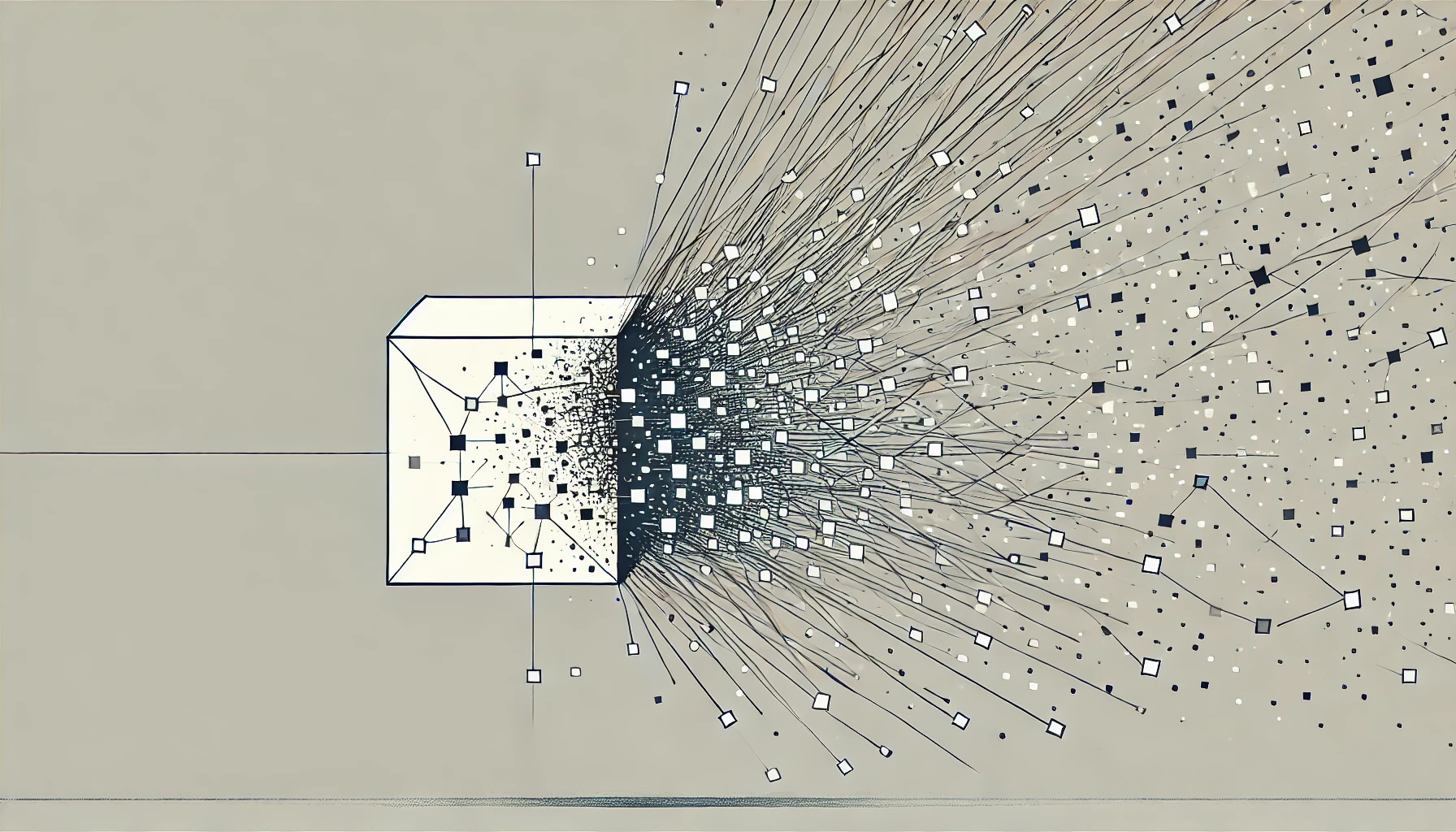
But the information is moving faster than that control.
Once something leaks…
It spreads instantly.
Forked.
Analyzed.
Replicated.
The Question No One Can Answer Cleanly
Was it really accidental?
Officially, yes.
Anthropic has repeatedly stated these incidents were unintentional, the result of human error, not strategy (Axios, 2026).
There’s also no evidence that the leaks were staged or intentional (Lead Stories, 2026).
But the reaction around it tells a different story.
People Don’t Fully Believe It
When something this significant leaks…
Twice…
Within days…
It raises a different kind of question.
Not whether it was confirmed.
But whether it’s plausible.
Some speculate that leaks like this could act as:
early signals
pressure tests
unofficial reveals
A way to surface something…
Without formally announcing it.
There’s no proof of that.
But the fact that it’s even a conversation…
Is new.
The Line Between Leak and Release Starts to Blur
Because from the outside…
It doesn’t look that different.
Information appears.
People analyze it.
The narrative forms.
Whether it was intended or not…
The outcome is the same.
That Changes What “Release” Means
A release used to be:
controlled
timed
framed
Now it can be:
partial
unplanned
distributed
The system shows up before it’s introduced.
These Systems Are Becoming More Important
This isn’t just code.
These systems are:
agent-based
operational
capable of acting in real environments
Claude Code itself revealed multi-agent orchestration systems and advanced tooling through the leak (The Verge, 2026).
So when something leaks…
It’s not just information.
It’s capability.
That Raises the Stakes
Because now:
failure → exposure
mistake → distribution
leak → global access
And those transitions happen instantly.
The Trade-Off
You gain:
faster visibility
early insight
access to what’s being built
But you lose something else:
control
containment
clear boundaries
And That’s What Feels Different
The system isn’t just advancing.
It’s becoming harder to contain.
Not because anyone lost control completely.
But because control doesn’t scale the same way capability does.
AI isn’t just being released anymore.
It’s being revealed.
That’s why it feels different.
Because the most advanced systems aren’t arriving through clean launches.
They’re appearing…
Before they’re supposed to exist.
And whether that’s accidental or not…
It changes how the future shows up.
References
Computerworld (2026). Leak reveals Anthropic’s Mythos AI model.
Axios (2026). Anthropic leaked 500,000 lines of source code.
The Guardian (2026). Claude Code leak explained.
The Verge (2026). Claude Code leak reveals internal features.
Fortune (2026). Anthropic Mythos model capability leap.
Lead Stories (2026). Fact check on intentional leak claims.
Oops-as-a-service
These models are getting to be real show-offs! “Look what I can do now, folks! 🎉 Ta da! Silliness aside, I wonder whether these accidental leaks will become more frequent and larger in scale. What a great and exhausting time to be a cybersecurity expert.